

TL;DR
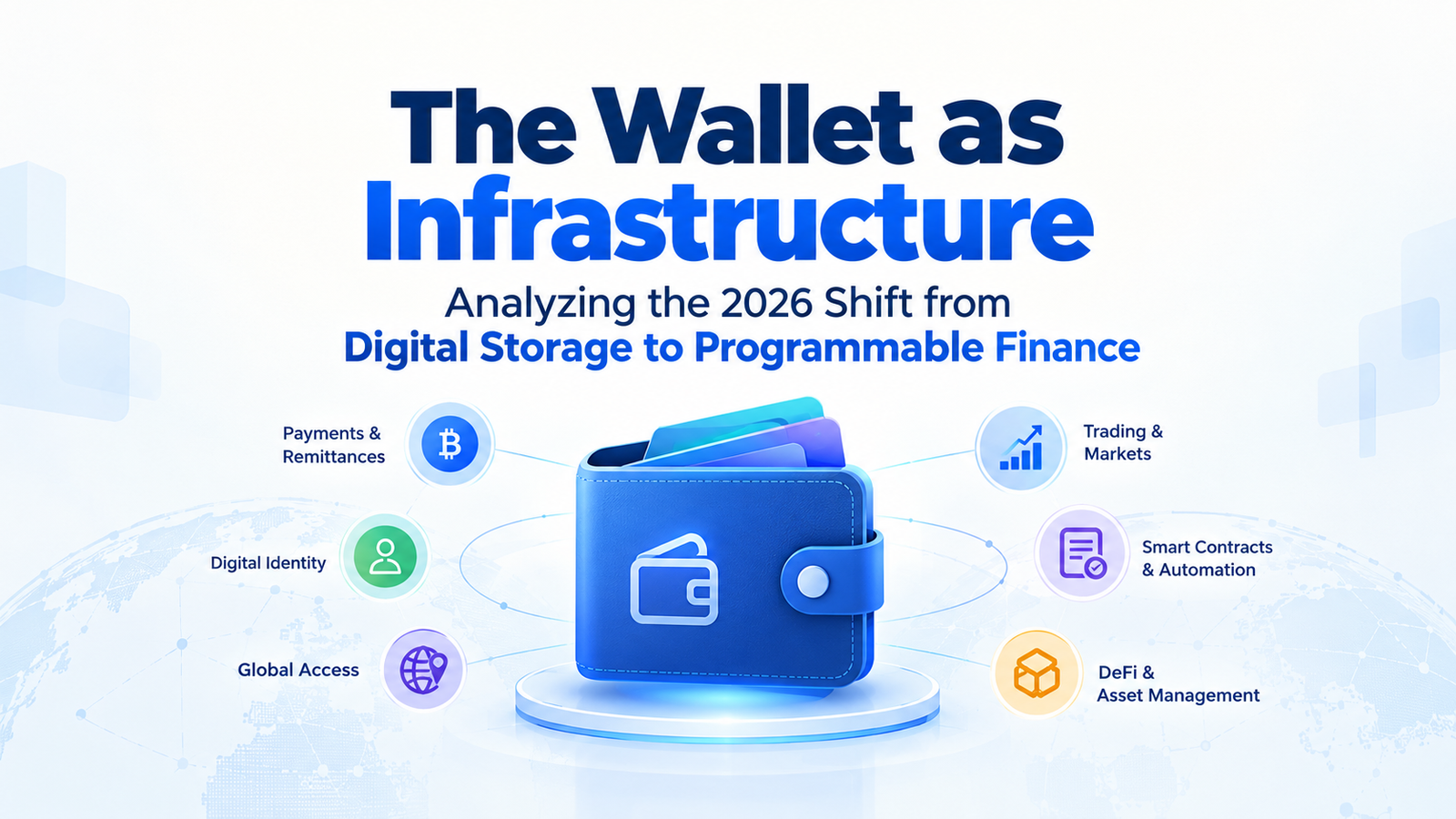
The crypto wallet landscape in 2026 has evolved from simple key-storage tools into complex, programmable financial infrastructure. Driven by Account Abstraction (ERC-4337) and the rise of Smart Accounts, wallets are now seamless “superapps” that embed swaps, staking, and identity management directly into the user experience. While Externally Owned Account (EOA) wallets like MetaMask remain dominant for onboarding, Smart Account providers like Safe and Coinbase Smart Wallet are capturing high-value activity, particularly on Layer 2 networks like Base and Arbitrum. Geographically, emerging markets such as Nigeria, India, and Vietnam are driving user adoption, while developed markets like the US and Europe hold the majority of capital. The future of wallets lies in invisible, embedded infrastructure, powered by SDKs like Privy and Reown, that abstracts away blockchain complexity, enabling AI agents and non-crypto apps to interact with onchain finance without users ever needing to manage a seed phrase.
Key Takeaways
- Wallets Are Now Primary Trading Venues: Wallets are no longer just passive storage; they are active trading hubs. Embedded swap activity has surged, with Binance Wallet recently capturing up to 80% of tracked swap volume due to zero-fee campaigns and deep BNB Chain integration. Phantom Wallet dominates Solana, accounting for up to 20% of the chain’s total transfer volume during peak memecoin seasons.
- Smart Accounts Are Replacing EOAs for Power Users: The shift from Externally Owned Accounts (EOAs) to Smart Contract Wallets is accelerating. Safe leads this sector with over 43 million deployments and $50 billion in Total Value Locked (TVL). Coinbase Smart Wallet and Layer3 are driving mass adoption of Smart Accounts on Base, leveraging passkeys and gas sponsorship to eliminate seed phrases and reduce friction.
- Base Is the Default Chain for Smart Wallet Innovation: Base has overtaken Polygon and Optimism as the leading execution layer for Smart Accounts. It now accounts for over 65% of new Smart Account deployments and up to 87% of weekly UserOperations, driven by strong ecosystem support from Coinbase and low-cost, high-speed transactions.
- Geographic Split: Emerging Markets Adopt, Developed Markets Hold Capital: There is a stark divergence between user location and capital concentration. Emerging markets like Nigeria, India, and Indonesia lead in user counts for wallets like MetaMask, Phantom, and Bitget, serving as critical onboarding ramps. However, the majority of wallet balances are held in developed economies like the US, South Korea, and Western Europe, highlighting a “users vs. liquidity” dynamic.
- Infrastructure Is Becoming Invisible and Modular: The boundary between frontend apps and backend wallets is blurring. Infrastructure providers like Privy and Reown are embedding wallet functionality directly into apps via SDKs, allowing users to log in with email or social accounts and transact instantly. This “embedded finance” model means the wallet of the future may not be a standalone app at all, but an invisible layer powering Web2 and AI-driven experiences.
- EIP-7702 and Pectra Will Hybridize Wallets: The upcoming Ethereum Pectra upgrade and EIP-7702 standard will allow traditional EOA wallets to temporarily adopt Smart Account features (like gas sponsorship and batching) without migrating contracts. This hybrid model promises to bring the usability benefits of Smart Accounts to the hundreds of millions of existing EOA users, further accelerating mainstream adoption.
Introduction
The year 2026 marks a critical inflection point for the digital finance landscape, with the crypto wallet at the epicenter of a profound evolution. Once conceived primarily as a tool for storing private keys and managing digital assets, the modern crypto wallet in 2026 has transformed into a sophisticated piece of financial infrastructure. This report provides a comprehensive analysis of the state of crypto wallets, examining their market trajectory, the foundational shifts in their technical underpinnings, observable changes in user behavior, the dynamics of their competitive landscape, and the powerful emerging trends that are poised to redefine their role entirely. Anchored in the specific context of 2026, this research synthesizes data on market valuation, user adoption, and technological advancements to provide a detailed picture of an industry moving from nascent utility to a mature, integrated component of the global economy. The analysis reveals a sector characterized by robust growth, radical technological innovation, and an intense focus on user experience, all while navigating the dual pressures of mainstream adoption and the structural shift towards embedded and autonomous financial systems.
Market Trajectory and Economic Significance
In 2026, the crypto wallet market stands as a substantial and rapidly expanding segment of the broader digital economy, demonstrating clear signs of maturity and robust growth. Projections indicate a healthy expansion driven by increasing adoption across both retail and institutional sectors, supported by a burgeoning underlying cryptocurrency economy. The global crypto wallet market size was estimated at USD 11.52 billion in 2025 and is expected to reach USD 14.01 billion in 2026. Another forecast projects the market will grow from $14.84 billion in 2026 to a significantly larger $98.57 billion by 2034, reflecting a compound annual growth rate (CAGR) of 26.7% over that period. A third projection estimates a slightly more conservative CAGR of 24.03%, with the market expected to reach USD 52.05 billion by 2032. While the absolute valuations differ, the consistent message across these analyses is one of strong, sustained growth. This expansion is not occurring in a vacuum; it is directly fueled by the health of the wider cryptocurrency market, which is projected to generate worldwide revenue of US$96.1 billion in 2026. This macroeconomic activity provides the transactional volume and value that serve as the bedrock for the entire wallet infrastructure. Furthermore, the commercialization of the ecosystem is deepening, evidenced by the explosive growth of ancillary markets like AI-driven crypto trading. The AI Crypto Trading Bot market, valued at USD 1.9 billion in 2026, is on a trajectory to reach USD 8.7 billion by 2032, underscoring the increasing complexity and automation within the Web3 space, which in turn creates new use cases for sophisticated wallet functionality.
The expansion of the wallet market is mirrored by a significant increase in its addressable user base. Projections anticipate a global digital wallet user base of 5.2 billion by 2026, a figure that encompasses both traditional fintech wallets and Web3-native solutions. Within this broader category, the number of unique, actively used cryptocurrency wallets surpassed 820 million in 2025. This metric highlights the growing penetration of self-custody practices among crypto enthusiasts. Mainstream adoption continues to build, with approximately 55 million Americans holding some form of cryptocurrency in 2026, a number that continues to climb. In Malaysia, the cryptocurrency market revenue was estimated to be around 424.88 million U.S. dollars in 2024, indicating growth in various international markets. These figures collectively paint a picture of a market that is broadening its appeal and scale. The growth is supported by the increasing integration of crypto payments into e-commerce, which allows businesses to tap into an estimated 1.4 billion unbanked individuals and the existing 560 million global crypto holders. The convenience, lower costs, and faster settlement times of blockchain-based payments compared to traditional credit card processing are key drivers of this trend. Major payment processors are facilitating this shift by offering services that handle the complexities of blockchain monitoring and volatility risk, often converting stablecoins like USDC to fiat currency immediately upon receipt. Stripe, for example, offers pre-built UIs for 125+ payment methods, including crypto, and settles payments as fiat into Stripe balances, providing merchants with a seamless and reliable solution.
The user base itself is becoming more diverse, creating distinct demands on wallet providers. There is a clear dichotomy between institutional entities and retail participants. Institutional players prioritize regulated custody solutions that offer audit trails, compliance features, and higher levels of security appropriate for managing large-scale assets. In contrast, retail users favor the flexibility, direct control, and privacy afforded by non-custodial mobile and web interfaces. This divergence in needs is a central driver of market segmentation and product specialization. For instance, hardware wallets like Ledger remain the recommended choice for long-term holding and securing larger balances where maximum key security is paramount, despite their lower convenience for frequent on-chain interactions. Conversely, mobile wallets such as Trust Wallet and Binance Wallet are best suited for everyday use, quick transfers, and on-the-go swaps due to their portability and ease of access. Browser extension wallets like MetaMask cater to power users and DeFi enthusiasts who require direct connection to decentralized applications on desktop computers. This specialization reflects a maturing market where different wallet types serve distinct niches based on user priorities regarding security, convenience, and functionality. The competitive landscape in 2026 is populated by a diverse array of established and emerging players, including Binance International Limited, Block, Inc., Coinbase Global Inc., Consensys, Kraken, Ledger SAS, and others, all vying to capture share in this dynamic market. The table below summarizes key market statistics and user adoption metrics relevant to the 2026 landscape.
| Metric | Value / Projection | Timeframe |
|---|---|---|
| Global Crypto Wallet Market Size | $14.01 billion | 2026 |
| Global Crypto Wallet Market Size | $14.84 billion | 2026 |
| Projected Global Crypto Wallet Market Size | $98.57 billion | 2034 |
| Projected Global Crypto Wallet Market CAGR | 26.7% | 2026-2034 |
| Projected Global Crypto Wallet Market CAGR | 24.03% | 2026-2032 |
| Projected Total Digital Wallet Users | 5.2 billion | 2026 |
| Unique Active Cryptocurrency Wallets | > 820 million | 2025 |
| Estimated US Crypto Holders | ~55 million | 2026 |
| Worldwide Cryptocurrency Market Revenue | US$96.1 billion | 2026 |
This data collectively confirms that the crypto wallet market in 2026 is far from stagnant. It is a vibrant and scaling industry with a multi-billion-dollar valuation and a rapidly expanding user base. The growth is underpinned by the overall health of the cryptocurrency economy and is being shaped by the divergent needs of institutional and retail users. As the market matures, the focus is shifting from simply capturing new users to retaining them through enhanced usability, security, and integration with the wider financial world. The economic significance of this sector is undeniable, setting the stage for the next wave of innovation in wallet technology and functionality.
The Technical Pivot: From Key Management to Programmable Accounts
The most consequential development shaping the crypto wallet landscape in 2026 is a fundamental architectural pivot away from being mere custodians of cryptographic keys toward becoming programmable smart accounts. This evolution is not merely an incremental feature addition but a foundational reset of what a wallet can be, enabling a new class of user experiences and applications that were previously impossible. The cornerstone of this transformation is Account Abstraction, a concept brought to fruition primarily through the ERC-4337 standard. At its core, account abstraction decouples transaction authorization from the ownership of a private key. Instead of a transaction requiring a signature from a single private key, it becomes a programmable logic layer contained within a smart contract wallet. This seemingly technical change has profound implications for security, usability, and functionality. By turning wallet accounts into programmable smart contracts, ERC-4337 effectively renders traditional seed phrases obsolete for recovery purposes, directly addressing one of the most significant barriers to mainstream adoption. This move mitigates the existential risk associated with losing a 12- or 24-word phrase, a problem that has led to the permanent loss of billions in assets.
This programmability enables a host of advanced features that redefine the user experience. One of the most impactful is social recovery, a model where a user can designate trusted “guardians” such as other wallets, friends’ devices, or even hardware wallets to help restore access if the primary device is lost. This creates a more resilient and human-centric security paradigm, replacing the single point of failure inherent in seed phrases with a collaborative recovery process. Furthermore, abstracted accounts enable gasless transactions, where a third party (like a dApp) can pay for the transaction fees on behalf of the user, lowering the barrier to entry for casual interactions with blockchain applications. They also facilitate spending limits, allowing users to set rules on their wallets, such as capping the amount that can be spent without additional approval, adding a layer of safety akin to traditional banking controls. Wallets built on this foundation, such as those supporting the Account Abstraction Layer (AAL), become much more than storage; they become active agents capable of executing complex, rule-based logic. This programmability is essential for integrating wallets into broader, more automated financial ecosystems, transforming them from passive objects into digital entities that can be owned and controlled by systems.
While Account Abstraction represents the open-standard path forward, other innovative approaches have emerged to tackle the same core challenges of usability and security. A prominent example is the Multi-Party Computation (MPC) model, which is the basis of Binance Wallet’s architecture. Instead of a single private key, the MPC approach splits the key into multiple shares. Binance Wallet, for instance, divides the key into three shares: one secured by Binance servers, one stored on the user’s personal device, and a third encrypted with a recovery password backed up to the user’s cloud storage (like iCloud or Google Drive). To regain access to the wallet, at least two of these three shares must be combined. This method aims to strike a balance between the security of centralized custodianship and the control of self-custody. During initial setup, Binance Wallet offers a “keyless MPC setup” that removes the need for users to manage a traditional seed phrase, thereby lowering the initial friction for new users. However, this approach introduces a different kind of trust assumption: the integrity and security of the service provider (Binance), which may be a concern for users who prefer fully decentralized systems. The recovery process, while convenient, is tied to the Binance account and specific backup methods, and its resilience is only as strong as its weakest link; if any part of the backup path is compromised or lost, access could be permanently denied.
Interoperability remains a critical technical challenge and area of development, especially as the blockchain ecosystem grows increasingly fragmented. In 2026, successful wallets must seamlessly support the transfer of assets and interaction with applications across numerous chains, including major networks like Ethereum and BNB Chain. Cross-chain bridges are a vital component of this functionality, and their economic consequences, such as their association with Total Value Locked (TVL) and Daily Active Users (DAU), are closely monitored metrics for assessing their health and utility. To streamline this complex interaction, emerging standards like W3C’s Decentralized Identifier (DID) framework are being adopted to create a more unified identity and permissionless interaction layer across different networks, simplifying onboarding and reducing friction for users moving between ecosystems. The following table contrasts the key characteristics of these evolving wallet architectures.
| Feature | Traditional Seed Phrase Wallet | Account Abstraction (ERC-4337) Wallet | Multi-Party Computation (MPC) Wallet |
|---|---|---|---|
| Core Mechanism | Single private key derived from a 12/24-word seed phrase | Smart contract account with programmable authorization logic | Private key split into multiple shares managed by different parties |
| Recovery Model | Loss of seed phrase and device is typically irreversible | Social Recovery (guardians) or Passkey login | Relies on combination of shares (e.g., user device + cloud backup + service provider) |
| Primary Advantage | Full decentralization and user control; no reliance on third parties | Enhanced security, usability, and advanced features (gasless txns, spending limits) | Reduced initial friction (no seed phrase); balances custodial convenience with self-custody control |
| Primary Disadvantage | High risk of permanent loss; vulnerable to phishing and bad approvals | Still relies on underlying chain’s security; ecosystem is newer and less battle-tested | Centralized trust assumption in the service provider; recovery is tied to their systems |
| Example Wallets | Exodus, Sparrow, older versions of Ledger | Safe, bundled with wallets supporting EIP-4337 | Binance Wallet, Zengo |
The collective impact of these technical evolutions is a fundamental redefinition of the wallet’s purpose. The focus has shifted from simply safeguarding keys to actively participating in and orchestrating complex financial activities. Security has also evolved, with modern wallets incorporating proactive measures like real-time scam detection, token audits from multiple providers, transaction warnings, and tools for revoking old permissions. Some proposals even extend to OTP-based two-factor authentication for smart contract wallets to enhance security. This technical pivot is not just about building better wallets; it is about building the foundational components required for the next generation of Web3 applications, where wallets act as intelligent, secure, and user-friendly gateways to a programmable financial world.
Evolving User Behavior and Onboarding Realities
In 2026, the behavior of crypto users reveals a market in a state of flux, marked by a widening gap between novice users struggling with accessibility and experienced participants demanding advanced functionality. The most persistent and critical challenge hindering mass adoption remains the onboarding process, which continues to be a significant source of friction and user drop-off. Despite the industry’s efforts to improve user experience, the journey from a curious newcomer to an active participant is fraught with hurdles. Data from 2026 shows that after a user clicks on a referral link or discovers an app, significant attrition occurs at each stage of the initial setup. There is a reported 25-35% drop-off rate during the identity verification process, a step that many find cumbersome and opaque. Following successful verification, another 20-30% of users abandon the process when attempting to fund their newly created wallet. Finally, even with funds in hand, there is a further drop-off before a user completes their first meaningful transaction, such as interacting with a dApp or making a swap. These cumulative drop-off rates highlight that the promise of a “Web2-level” smooth onboarding is still largely unfulfilled. The industry’s practical priorities in 2026 reflect this reality, with developers focusing intensely on improving the front-end user experience, integrating passkey logins to simplify authentication, enabling native stablecoin payments to reduce complexity, and ensuring clear attestations for identity and eligibility checks.
As users navigate these initial barriers, their engagement patterns evolve, revealing a clear bifurcation in wallet usage. For the growing cohort of active users, the wallet is no longer viewed as a static vault for assets. Engagement is now measured by metrics like transaction frequency, which tracks the average number of transactions per active user over a specific period. This shift in product analytics signifies that wallets are becoming hubs for ongoing financial activity. Users are increasingly leveraging their wallets to interact with a vast and expanding universe of decentralized applications (dApps), spanning decentralized finance (DeFi) protocols, non-fungible token (NFT) marketplaces, and gaming platforms. The dominance of MetaMask in the DeFi space, for example, is a testament to its role as a universal interface for this type of activity, integrated into nearly every major dApp and NFT marketplace. This trend underscores a fundamental change in perception: the wallet is becoming the primary tool for participation in the Web3 economy, not just a place to store wealth. Usage patterns also show a strong preference for mobile-first experiences. Mobile wallets like Trust Wallet and Binance Wallet are considered best suited for everyday activities such as quick peer-to-peer transfers, on-the-go token swaps, and interacting with mobile-friendly dApps. This portability and convenience make them the preferred choice for daily transactions, contrasting with browser extensions like MetaMask, which remain the tool of choice for desktop-based DeFi interactions and development work.
Security awareness among users has also matured in lockstep with the sophistication of the threats they face. While early crypto adopters were often focused solely on securing their seed phrases, today’s users operate in a more dangerous environment rife with scams and malicious applications. The emergence of sophisticated fraud schemes, such as “Trapdoor” tokens on Uniswap, which have reportedly cost investors billions of dollars, demonstrates the persistent risk of malicious dApps and the dangers of approving unintended transaction permissions. In response, wallet providers have been forced to embed a more robust suite of proactive security features directly into their products. Modern wallets now commonly include real-time scam detection, such as the feature offered by Phantom, and token auditing from multiple independent security firms like CertiK to vet new assets before they are added to the interface. Transaction warning systems alert users to potentially risky interactions, such as approvals for high-value token spends or connections to known phishing sites. Furthermore, there is a growing emphasis on empowering users with better control over their own security posture. Features like one-tap approval revocation allow users to instantly cancel suspicious or outdated permissions granted to dApps, mitigating the damage from a bad approval. Best practices promoted by wallet providers and security experts now encompass a holistic approach that includes using strong device passcodes and biometrics, keeping software updated, verifying URLs, never sharing private keys, double-checking network and recipient addresses before sending, and using hardware wallets for storing larger balances offline.
The table below outlines the key differences in user behavior and wallet preferences between novice and power users in the 2026 landscape.
| Aspect | Novice User Profile | Power User Profile |
|---|---|---|
| Primary Goal | Simple onboarding, asset purchase/storage, basic transfers | Advanced DeFi strategies, dApp interaction, portfolio management |
| Onboarding Experience | Highly sensitive to friction; drop-off is common at verification and funding stages | Assumes a degree of complexity; prioritizes security and control over simplicity |
| Preferred Wallet Type | Mobile wallets with guided setup and simplified interfaces | Browser extensions for dApp access; hardware wallets for large holdings |
| Key Security Concerns | Losing seed phrase, falling victim to obvious scams, phishing | Malicious dApp approvals, smart contract exploits, advanced phishing techniques |
| Common Actions | Buying crypto, sending/receiving stablecoins, occasional swaps | Yield farming, lending/borrowing, complex token swaps, interacting with governance |
| Engagement Level | Low transaction frequency; sporadic activity | High transaction frequency; continuous on-chain presence |
Ultimately, the user landscape in 2026 is defined by a tension between the drive for mass-market accessibility and the demand for sophisticated, developer-grade tools. The most successful wallet providers will be those that can successfully cater to both ends of this spectrum. For novices, this means relentlessly simplifying the onboarding process and providing intuitive, guided experiences. For power users, it means delivering deep customization options, robust security controls, and seamless cross-chain functionality. The evolution of user behavior clearly indicates that wallets are becoming indispensable tools for navigating and participating in the decentralized economy, and the competition to provide the best possible user experience is fiercer than ever.
Competitive Positioning and Strategic Differentiation
The competitive landscape for crypto wallets in 2026 is a complex and stratified environment, characterized by distinct strategic approaches rather than a single race for supremacy. Players differentiate themselves not just through features, but through their overarching strategy: dominating a closed ecosystem, pioneering a specific technical niche, or building foundational infrastructure for the entire industry. This fragmentation has given rise to a diverse range of market leaders, each occupying a unique position based on their strengths and target audience. The most prominent strategy is ecosystem integration, where a wallet is tightly woven into the fabric of a larger platform, primarily a cryptocurrency exchange. Binance Wallet exemplifies this approach. Its primary competitive advantage is its seamless integration with the Binance exchange and its extensive ecosystem of services, including the BNB Chain. This creates a frictionless workflow for millions of Binance users, allowing them to move funds directly from their exchange balance into on-chain swaps, bridges, and dApps with minimal effort. This tight coupling makes it feel less like an independent, general-purpose wallet and more like an extension of the Binance trading application. However, this strategy comes with trade-offs. The wallet’s independence is somewhat diminished, and its reliance on the Binance service for certain functions, particularly its MPC-based recovery system, introduces a trust element that purists may find undesirable. Moreover, its support for hardware-first cold storage is not clearly documented, making it a less attractive option for users who prioritize maximum security for large holdings.
Similarly, Coinbase has leveraged its position as a leading regulated exchange to promote its Base App (formerly Coinbase Wallet). By offering a familiar interface and a seamless bridge between its exchange accounts and a self-custody wallet, Coinbase lowers the barrier to entry for its massive user base, encouraging them to explore the world of self-custody and DeFi without leaving the Coinbase ecosystem. This strategy effectively converts passive exchange users into active participants in the broader Web3 economy. The success of this approach hinges on the ability to maintain a balance between the perceived safety and simplicity of a regulated entity and the empowerment and control promised by self-custody. The following table compares the ecosystem-integrated wallets of Binance and Coinbase.
| Feature | Binance Wallet | Coinbase Wallet / Base App |
|---|---|---|
| Parent Company | Binance | Coinbase |
| Primary Strategy | Deep integration with Binance exchange and BNB Chain ecosystem | Seamless integration with Coinbase exchange and broader self-custody |
| Architectural Model | Multi-Party Computation (MPC) with seedless setup option | Self-custody (seed phrase-based) with optional integration to Coinbase accounts |
| Target User | Existing Binance users seeking a frictionless on-ramp to Web3 | Coinbase users looking to transition to self-custody in a familiar environment |
| Key Strength | Frictionless workflow from exchange to dApp | Familiar interface, wide asset support, and ecosystem integration |
| Key Weakness | Perceived lack of independence; unclear hardware wallet support | Lacks advanced customization tools found in other non-custodial wallets |
In stark contrast to the ecosystem-play strategy is the approach of technical specialization, where a wallet carves out a leadership position by excelling in a specific functional area. Safe, formerly known as Gnosis Safe, is the undisputed leader in the enterprise-grade smart account and multi-signature wallet space. Its focus is on security, governance, and customizable rule sets, making it the go-to solution for DAOs, institutional investors, and any organization that requires shared control, audit trails, and enhanced security for managing collective assets on-chain. Safe’s dominance is a direct result of its ability to solve complex organizational problems in a decentralized manner. Another example of specialization is Phantom, which has captured a commanding lead in the Solana ecosystem. By building a wallet that is highly optimized for Solana’s specific technical requirements and user base, Phantom provides a superior, streamlined experience that is difficult for generic, multi-chain wallets to match. Its success demonstrates the power of tailoring a product to the nuances of a specific blockchain community. MetaMask remains a titan in its own right, though its strategy is less about a single niche and more about ubiquity. By achieving near-universal integration across the Ethereum Virtual Machine (EVM)-compatible landscape, MetaMask has become a de facto standard for interacting with the vast majority of DeFi apps and NFT marketplaces. Its strength lies in its network effects; because so many applications are built to work with MetaMask, users are compelled to use it, regardless of its own feature set. Its key differentiators include strong security measures, customizable transaction settings, and a high transaction success rate of 99.99%.
The competitive dynamics are further complicated by the entry of powerful external forces that are not necessarily competing as wallet providers but are instead building the underlying infrastructure that could render traditional wallets obsolete for many common use cases. Stripe, a dominant player in the traditional fintech world, is a prime example of this disruptive force. Through initiatives like “Open Issuance,” a platform that allows businesses to launch and manage their own stablecoins with minimal code, Stripe is pushing stablecoins to the forefront of commerce. The first stablecoin issued on this platform, CASH, was designed by Phantom, signaling a strategic alignment with key players in the Web3 space. Even more significantly, Stripe’s announcement of the Agentic Commerce Protocol (ACP) in partnership with OpenAI represents a fundamental shift in how payments might be conducted in the future. The ACP establishes a shared language between merchants and AI agents, allowing consumers to make purchases through AI assistants like ChatGPT. In this scenario, the traditional user-facing wallet, with its manual approvals and complex interfaces, is replaced by a secure backend vault that an AI agent accesses via a standardized API. Stripe is not selling a wallet; it is building the plumbing for the future of commerce, and its API-first approach positions it as a foundational enabler rather than a front-end competitor. This strategy threatens to disintermediate wallet providers from the most common payment flows, relegating them to serving developers and power users who require more granular control. The competitive map of 2026 is therefore a mosaic of interconnected strategies, where success depends on choosing a clear path, be it ecosystem dominance, technical excellence, or foundational infrastructure, and executing it with precision.
Emerging Paradigms: Embedded and Agentic Finance
Beyond the immediate competitive battles, several powerful and transformative trends are set to fundamentally reshape the role and relevance of the crypto wallet in the years ahead. The most significant of these is the widespread adoption of Embedded Finance, a paradigm that integrates financial services directly into non-financial applications. In 2026, finance is no longer a dedicated destination or a separate app but a feature within the platforms people already use for shopping, social media, mobility, and entertainment. This shift is projected to unlock a market opportunity of $2.7 trillion by 2026. For the crypto wallet, this trend portends a future where the standalone application risks disappearing from the consumer’s view. Instead of opening a wallet app to pay, a user would simply click a “Pay with Crypto” button within an e-commerce site or a social media marketplace. The underlying blockchain interactions address generation, transaction signing, and confirmation monitoring would be handled seamlessly and invisibly by the merchant’s platform, likely powered by a third-party payment processor. This move toward seamlessness aligns with the core goal of removing friction from the user journey, but it achieves it by hiding the wallet’s complexity rather than solving it head-on. The wallet, in this vision, transitions from a tool the user interacts with directly to a secure, background vault that powers the transaction.
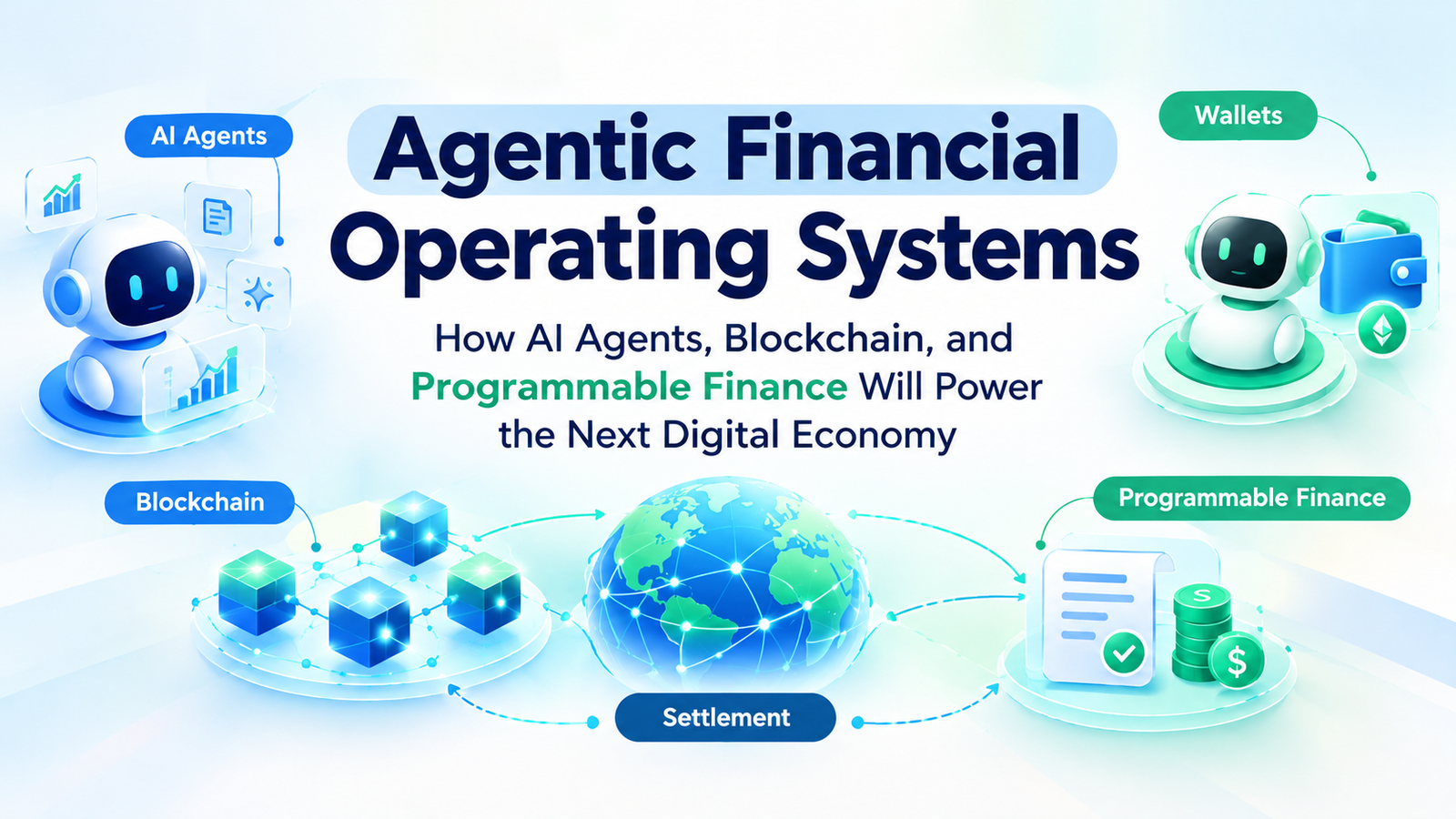
Taking this concept a step further is the emergence of Agentic Finance, which introduces autonomous artificial intelligence (AI) agents as intermediaries in financial actions. In 2026, these AI-driven money assistants are entering consumer life, capable of performing real financial tasks on behalf of their users, such as optimizing yields across different DeFi protocols or scheduling payments. The ultimate expression of this is Agentic Commerce, where an AI agent acts as a shopper, negotiator, and payer. Stripe’s strategic partnership with OpenAI to launch the Agentic Commerce Protocol (ACP) is a landmark event in this domain. The ACP is an open standard that creates a shared language, a “contract,” between merchants and these AI agents. This allows a merchant to list their products and services in a way that an AI agent can understand, approve, and purchase automatically. The Instant Checkout feature in ChatGPT is an early implementation of this protocol in action. In this brave new world, the user might simply ask their AI assistant to “buy groceries.” The agent would then autonomously browse available stores (including those with crypto payment options), select the best deal, and execute the payment using funds from the user’s designated wallet vault, all without requiring the user to open a wallet app, copy an address, or sign a transaction. The wallet’s role is reduced to that of a highly secure, auditable, and accessible repository of funds, with access governed by strict, programmable rules enforced through protocols like ACP. This structural shift suggests that the wallet, as a visible and interactive object, may become obsolete for the vast majority of routine transactions.
These developments are unfolding within a slowly maturing regulatory environment. In 2026, there is a noticeable trend toward greater regulatory clarity around crypto and stablecoins, which is creating a more innovation-friendly atmosphere for compliant fintechs. Concepts that were once theoretical are becoming standard practice. Hybrid verification models, which combine traditional identity checks with on-chain identity proofs, and reusable KYC (Know Your Customer) processes are becoming commonplace, indicating a move toward regulated maturity. This increased regulatory pressure is forcing compliance and fraud teams to adopt more sophisticated tools and methodologies, but it also brings legitimacy to the industry, attracting institutional capital and reassuring cautious mainstream users who were previously deterred by the perceived lawlessness of the space. Compliance stacks in regulated companies now routinely include world-class blockchain intelligence platforms from firms like Chainalysis and TRM, which are used to monitor transactions and investigate illicit activity. The transparency of blockchains, once seen as a liability for privacy, is now being harnessed as a powerful tool for investigating financial crime, reshaping how regulators and investigators operate. This convergence of clearer regulation, advanced technology, and the rise of embedded and agentic commerce is rebuilding the very “plumbing” of global money movement, shifting the focus from front-end applications to the underlying intelligent infrastructure that powers real-time, API-driven financial interactions.
The following table contrasts the wallet’s role in traditional and emerging paradigms:
| Paradigm | User Interaction | Wallet’s Role | Example Scenario |
|---|---|---|---|
| Traditional Wallet Use | Direct and manual. User opens the app, selects an asset, enters an address, and approves the transaction. | A user-facing tool for storing, sending, and receiving assets and interacting with dApps. | A user manually sends ETH from their MetaMask wallet to an NFT marketplace to purchase a digital art piece. |
| Embedded Finance | Indirect. User initiates a payment within a third-party app (e.g., a shopping cart). The wallet’s function is hidden. | A secure, background vault that powers transactions initiated by the host application. | A user clicks “Pay with Crypto” on an e-commerce site. The site’s payment processor handles the wallet interaction and settles the funds in fiat. |
| Agentic Commerce | No direct interaction. The user gives a high-level instruction to an AI agent. | A secure, programmatic vault that an AI agent accesses via a standardized protocol to execute authorized actions. | A user tells their AI assistant, “Buy concert tickets.” The agent finds the cheapest tickets, negotiates a discount, and pays with stablecoins from the user’s vault via the Agentic Commerce Protocol. |
These emerging trends suggest a future where the value proposition of the wallet shifts dramatically. The competitive advantage will no longer lie in the elegance of its front-end design but in the robustness, security, and accessibility of its back-end infrastructure. Wallets will become the foundational layer of global money movement, consumed as a service by a multitude of applications and autonomous agents. The winners in this new era will be those who successfully transition from being a product sold to consumers to becoming the essential plumbing that enables the next generation of commerce and finance.
Recommended Readings
Based on the themes of Web3 adoption, decentralized finance, and the future of digital economies explored in this report, the following books are recommended for a deeper understanding of the macro-level forces at play:
- “The Infinite Machine: How an Armored Car Driver Became the Foremost Bitcoin Pioneer of Our Era” by Christian Catalini: This book provides a compelling history of Bitcoin’s early days and the foundational ideas that spurred the Web3 movement. It explores the motivations of the original pioneers and helps contextualize the current state of the industry as a continuation of those initial ideals.
- “Cryptoassets: The Innovative Investor’s Guide to Bitcoin and Beyond” by Chris Burniske and Jack Tatar: This text offers a systematic framework for understanding and valuing different types of cryptoassets. It moves beyond a simple description of cryptocurrencies to analyze them as a new asset class, covering topics like tokens, security, and network effects, which are crucial for grasping the investment and economic dynamics of the 2026 market.
- “TOKENS: The Future of Money in the Age of the Platform” by Rachel O’Dwyer: This book delves into the conceptual and philosophical aspects of tokenization. It argues that tokens are not just a technological novelty but a fundamental new primitive for organizing society and creating new kinds of communities and economies. It provides a visionary perspective on why the proliferation of wallets and tokens is a significant societal shift.
- “The Sovereign Individual: Mastering the Transition to the Information Age” by James Dale Davidson and Lord William Rees-Mogg: Though written before the advent of blockchain, this influential book predicted the decline of the nation-state’s economic power and the rise of a global, digitally-connected elite. It provides a macro-economic and geopolitical lens through which to view the long-term implications of decentralized technologies and self-custody.
- “Blockchain Revolution: How the Technology Behind Bitcoin Is Changing Money, Business, and the World” by Don Tapscott and Alex Tapscott: Often credited as a foundational text for bringing blockchain technology to a mainstream business audience, this book explains the core concepts of distributed ledgers and their potential to disrupt various industries. It lays the groundwork for understanding how blockchain underpins the entire ecosystem in which wallets operate.
Frequently Asked Questions
What is the projected market size for crypto wallets in 2026?
Multiple sources project significant growth for the crypto wallet market in 2026. One estimate places the market size at $14.84 billion for 2026, with a projected CAGR of 26.7% leading to a $98.57 billion market by 2034. Another source projects the market to reach $14.01 billion in 2026, growing at a CAGR of 24.03% to $52.05 billion by 2032. These figures confirm a robustly expanding market.
How has Account Abstraction changed how wallets work?
Account Abstraction, primarily through the ERC-4337 standard, fundamentally changes wallet architecture by turning wallet accounts into programmable smart contracts. This decouples transaction authorization from private key ownership, eliminating the need for traditional seed phrases and enabling new features like social recovery (where trusted guardians can help restore access), gasless transactions (where a dApp pays for the user’s transaction), and customizable spending limits.
Why is onboarding still a major challenge for crypto users in 2026?
Despite improvements, the crypto onboarding process remains a significant barrier to mainstream adoption. Data from 2026 shows high drop-off rates at each stage: 25-35% of users leave during identity verification, and another 20-30% abandon the process when trying to fund their wallet. This persistent friction prevents many newcomers from becoming active participants, highlighting that the user experience is still not on par with seamless Web2 applications.
Who are the main competitors in the 2026 crypto wallet market?
The competitive landscape is diverse. Major players include:
1. Integrated Ecosystem Wallets: Binance Wallet and Coinbase Wallet leverage their parent exchanges to provide a seamless user experience.
2. Specialized & Ubiquitous Wallets: MetaMask remains a dominant force for Ethereum and EVM users due to its deep integration with DeFi applications. Safe leads the enterprise market with its multi-signature and smart account solutions.
3. Ecosystem-Specific Wallets: Phantom has become the go-to wallet for the Solana ecosystem.
4. Infrastructure Providers: Stripe is a major external player building the back-end infrastructure for embedded and agentic finance, which could reduce the need for standalone consumer wallets.
What are the emerging trends that could make crypto wallets obsolete?
Two primary trends threaten to diminish the role of standalone crypto wallets for everyday users:
1. Embedded Finance: Financial services, including crypto payments, are being integrated directly into non-financial apps (e.g., shopping carts, social media), handling the complex wallet interactions behind the scenes.
2. Agentic Commerce: AI agents are becoming capable of acting as shoppers on behalf of users. Protocols like Stripe’s Agentic Commerce Protocol (ACP) will allow these agents to autonomously pay for goods and services from a user’s wallet vault, removing the need for manual wallet interaction.
What is the difference between a regular wallet and a smart wallet?
A regular wallet, technically an externally owned account, is controlled by a private key and can do little more than sign transactions. A smart wallet is controlled by a smart contract, which enables social recovery, gas sponsorship, transaction batching, and custom permissions. Smart wallets can also be invisible: apps like World App or Zora create them for users automatically.
Are crypto wallets safe after the Bybit hack and the OKX pause?
The threat has changed more than the technology. The Bybit hack, roughly $1.5 billion stolen by North Korea’s Lazarus Group, targeted an exchange interface, not the wallet standard itself, and the OKX DEX pause in March 2025 was a precaution against laundering through its aggregator. The bigger risk for individuals is social engineering, where scammers pose as support agents and extract keys or approvals directly. No architecture protects a user who hands over control voluntarily.
Which wallet is most used in 2026?
MetaMask remains the most widely used noncustodial wallet globally and leads user counts in most countries tracked, from the United States to India and Nigeria. Binance Wallet led embedded swap volume in early May 2025 after its zero-fee campaign, Phantom dominates Solana, and Safe dominates the smart account layer with over 43 million deployments.
What is EIP-7702 and why does it matter?
It is a change activated in Ethereum’s Pectra upgrade on May 7, 2025. It lets a regular account temporarily borrow smart contract capabilities through a signed authorization, without moving to a new address. Users can revoke it anytime. Adoption has been fast: by August 2026, the standard sat beneath more than 45 million accounts, with over 26 million authorizations signed on Ethereum alone. It matters because it means hundreds of millions of existing accounts can upgrade in place rather than being left behind.
Which countries use crypto wallets the most?
By user counts, emerging markets lead. Nigeria, India, Vietnam, Indonesia, and Bangladesh consistently rank at the top for wallets like MetaMask, Bitget, Phantom, and Rabby. By capital held, the balance shifts to the United States, South Korea, Canada, and Western Europe.
Do I still control my keys with an embedded wallet?
It depends on the setup. Privy-style embedded wallets can be fully noncustodial, with keys split or recoverable by the user, while some apps retain partial control for recovery. The honest answer is to read what the app says about key custody before trusting it with significant funds.
Why is Base becoming so important for wallets?
Low fees, strong account abstraction support, and a deliberate push by Coinbase. By April 2025, Base handled over 65 percent of new smart account deployments and up to 87 percent of weekly UserOperations, and it leads DEX activity for Safe accounts. The Coinbase app, its smart wallet, and its chain form a closed loop that is pulling users and builders in the same direction.
What is MetaMask Agent Wallet?
It is a self-custodial wallet MetaMask launched widely in August 2026 that lets an AI agent trade on your behalf inside limits you define: spending caps, protocol allowlists, and risk settings, with up to $10,000 in monthly transaction protection for eligible transactions. Think of it as a wallet whose user can be a piece of software, acting under a contract you wrote.
What should I look for when choosing a wallet today?
Three things. First, custody: know exactly who can move your funds. Second, recovery: passkeys and guardians beat a paper seed phrase for most people. Third, surface area: every extra feature, from swaps to bridges, is a convenience and an attack vector at once. Choose the smallest feature set that covers your actual usage.
What was the Glamsterdam upgrade and why did it matter for my wallet?
The Glamsterdam upgrade was a major Ethereum network overhaul in May 2026. It tripled the amount of work the network could do in each block by raising the gas limit to 200 million. For users, this meant that transaction fees dropped significantly, and wallets became much faster and more reliable, especially when using Layer 2 networks like Base or Arbitrum.
Why did Stripe acquire Privy in 2025?
Stripe acquired Privy to bring crypto and fiat payments closer together. Privy’s technology allows developers to create “embedded wallets” that users can sign into with an email or social account. This allowed Stripe to offer its millions of merchants a way to accept stablecoin payments and manage digital assets without requiring their customers to understand the technical side of blockchain.
Are prediction markets like Polymarket legal in 2026?
The legal status of prediction markets varies by country, but 2026 saw significant progress. In the US, the withdrawal of certain restrictive rules by the CFTC and the passage of the CLARITY Act provided a clearer path for platforms like Polymarket to operate. These markets are now widely recognized as valuable information tools for pricing real-world risks.
How do AI agents use crypto wallets?
AI agents use programmable wallets to act as independent economic actors. They can earn money by performing tasks, pay for their own server costs, and make trades in DeFi. They use “Agentic SDKs” from providers like Privy that allow humans to set spending rules and monitor their activity through a secure dashboard.
Synthesis: The Wallet as Foundational Infrastructure
The analysis of the crypto wallet landscape in 2026 reveals a sector at a pivotal moment of transition, caught between its legacy as a user-facing application and its future as an invisible, foundational infrastructure layer. The evidence presented throughout this report paints a clear and consistent narrative: wallets are undergoing a profound evolution, driven by technological innovation, shifting user expectations, and powerful market forces. The market itself is robustly growing, with projections indicating a multi-billion-dollar valuation and a strong compound annual growth rate, fueled by an expanding user base that spans from the casually curious to the deeply engaged power user. This growth is not merely quantitative; it is qualitative, reflecting a deeper integration of self-custody principles into the broader digital economy.
Technologically, the most significant shift has been the move away from simple key management toward programmable, smart contract-based accounts, catalyzed by standards like ERC-4337. This pivot has eliminated the single point of failure represented by seed phrases and introduced a new paradigm of user-friendly yet powerful security models like social recovery. Alongside this, hybrid approaches like Multi-Party Computation offer alternative philosophies on balancing security and usability, catering to different segments of the market. These technical advancements have transformed the wallet from a passive storage solution into an active, logical entity capable of executing complex, rule-based instructions, a capability essential for its role in the next generation of financial applications.
However, this technological progress is met with persistent challenges rooted in user behavior. The dream of seamless Web2-style onboarding remains elusive, with high drop-off rates persisting at every stage of the initial user journey, from verification to the first funded transaction. This reality keeps the pressure on product managers to relentlessly refine the user experience, making UX a primary battleground for market share. Concurrently, user engagement has deepened beyond asset holding, with active participants using wallets as hubs for frequent transactions and constant interaction with a diverse ecosystem of dApps. This bifurcation of the user base between the novice and the power user forces wallet providers into strategic choices about their product’s design and target audience.
The competitive dynamics reflect this strategic divergence. Established players leverage their ecosystem advantages, using tight integration with exchanges to create frictionless pathways for their existing user bases, as seen with Binance Wallet and Coinbase Wallet. Meanwhile, specialized providers carve out leadership by mastering specific domains, whether it’s enterprise-grade security with Safe, or ecosystem-specific optimization with Phantom. The most formidable competitive threat, however, may come from outside the traditional crypto sphere. Companies like Stripe are not building wallets; they are building the API-driven infrastructure for embedded and agentic finance, a trend that threatens to make the standalone wallet app redundant for the majority of common payment scenarios.
In synthesis, the trajectory of the crypto wallet in 2026 is clear. The product-as-a-destination is giving way to the product-as-an-infrastructure-service. The wallet’s greatest value is shifting from the front-end user interface to the secure, reliable, and programmable back-end that powers transactions. The future belongs not to the wallet that looks the prettiest, but to the wallet that can be most seamlessly and securely integrated by a multitude of applications, from e-commerce sites to autonomous AI agents. The wallet of tomorrow will be less something you use and more something that powers what you use. The industry’s final frontier is not just technological refinement but a strategic realignment, preparing for a world where the wallet’s greatest visibility will be in the APIs that developers consume, not in the app icons that users tap.






Leave a Reply