

- Home
- /
- Alternatives
- /
- Best Midjourney Alternatives: Free and…
⏱️ Read Time:
Introduction
The visual landscape of 2025 presents a marketplace where eye-catching graphics, polished logos, and engaging marketing images are no longer optional extras but essential tools for survival. For the small business owner, the rise of artificial intelligence has democratized professional design, allowing for the creation of high-quality visuals without the necessity of expensive agencies or complex software. Midjourney has long been regarded as a leader in the field, particularly for its artistic flair and creative quality. However, its reliance on the Discord interface and its public-by-default gallery creates significant friction for professionals who require privacy and a streamlined web experience. Consequently, a diverse set of alternatives has emerged to address specific business needs such as commercial safety, brand consistency, and ease of use.
The Strategic Importance of Visual Content in the AI Era

Small businesses in the United States are increasingly turning to free and paid AI generators to build professional visuals that were previously too expensive or time-consuming to produce. These tools allow owners to maintain a consistent brand identity while focusing on their core business operations. In a world where 32.9 percent of internet users discover new brands via search engines, the quality of visual content is a primary driver of trust and conversion. Marketing teams report significant time savings on content production, which frees staff to focus on higher-level strategy and testing.
The average blog post length has grown by more than 77 percent over the last decade, now reaching 1400 words. This increase in textual content requires a proportional increase in visual assets to maintain reader engagement and reduce bounce rates. AI image tools allow for the rapid generation of hero images, custom icons, and social media graphics that are optimized for both desktop and mobile platforms.
| Metric | Industry Average (2025) | Impact of AI Visuals |
| Website Bounce Rate | 37 percent | Reduced through engaging imagery |
| E-commerce Conversion Rate | Under 2 percent | Increased via personalized visuals |
| Search Discovery (16+ age) | 32.9 percent | Enhanced by SEO optimized images |
| Content Production Time | Variable | Reduced by 70 to 90 percent |
Adobe Firefly: The Professional Standard for Commercial Safety
Adobe Firefly has positioned itself as the premier choice for professional creators and designers who require legally safe outputs. Unlike many other models that scrape the broader internet, Firefly is trained on Adobe Stock’s catalog, licensed content, and public domain material. This focus on commercial safety ensures that the outputs are unlikely to face copyright infringement concerns.
The platform is deeply integrated into the Adobe Creative Cloud ecosystem, allowing users to move images directly into Photoshop or Illustrator for further refinement. This is particularly valuable for businesses that already rely on Adobe tools for their marketing workflows. Firefly also offers robust pre-generation settings that allow for precise control over aspect ratio and style, making it a highly versatile tool for professional branding.
Integration and Workflow Efficiency
The strength of Firefly lies in its ability to generate editable vector graphics and perform generative fills within established design apps. This prevents the need for designers to switch between platforms, thereby streamlining the creative process. For a small business, this means a single subscription to the Creative Cloud provides both the design software and the AI power needed to scale content production.
Canva Magic Media: Accessibility for the Everyday Entrepreneur
Canva has become a staple for small business teams because of its extreme user-friendliness. Its AI generator, Magic Media, is a minimalist service that is perfect for those on a budget and a time crunch. It allows beginners to create images and videos within a familiar drag-and-drop editor.
One of the most notable aspects of Canva is its privacy policy. The company does not train its AI on user content, and the generated images remain private. For social media teams managing multiple channels, Canva’s brand kits ensure that all AI-generated content remains consistent with company colors, fonts, and logos.
New Features in 2025
The 2025 updates to Canva, known as Canva Create, have introduced even more powerful tools for small businesses. These include:
- Magic Formulas: Users can ask questions about their data, such as sales trends, without writing complex code.
- Bulk Design: This feature allows product-based businesses to upload photos and instantly create graphics for Etsy, Instagram, and Pinterest.
- AI Voiceovers: Users can turn written text into audio with various styles, which is ideal for video ads when a professional voice actor is not available.
| Feature | Impact for SMBs |
| Brand Kit Integration | Maintains visual consistency across all social platforms |
| Bulk Design | Creates hundreds of assets from a single spreadsheet |
| Private Generation | Protects intellectual property from public galleries |
| Magic Studio Tools | Combines writing, design, and image generation in one place |
OpenAI and the Conversational Revolution: DALL-E 3 and 4
OpenAI’s DALL-E models have changed how users interact with AI by embedding image generation directly into ChatGPT. This allows for a back-and-forth conversation where a user can request an image and then ask for specific tweaks. For example, if a logo is too bright, a user can simply message the AI to tone down the colors.
DALL-E 4, released in late 2025, offers 4K resolution and improved text rendering. This solves one of the most common complaints about earlier AI models: the inability to include readable text within images. Small businesses can use DALL-E 4 to create campaign visuals that tightly combine imagery and ad copy in a single step.
Strategic Advantage of ChatGPT Integration
For business owners already using ChatGPT Plus for administrative tasks, the inclusion of DALL-E 4 provides a cost-effective design solution. The natural language interface removes the technical barriers often associated with more complex AI tools. However, it is important to note that OpenAI has scheduled the deprecation of DALL-E 3 snapshots by May 2026 as it transitions to more advanced multimodal models.
Leonardo AI: The Architect of Consistency
Leonardo AI is often considered the go-to platform for those who need deep creative control and consistency across multiple images. It was built with artists and developers in mind, offering a large library of fine-tuned models. Its “Phoenix” engine is specifically designed for high-quality renders and realistic compositions.
A major advantage for small businesses is the ability to train custom models. A brand can upload its existing assets and train the AI to replicate its specific look and feel perfectly. This is essential for companies that need consistent characters or environments for long-term marketing campaigns.
| Plan | Pricing | Target Audience |
| Free | 150 daily tokens | Beginners and casual testers |
| Apprentice | $12 per month (8,500 tokens) | Solopreneurs and active creators |
| Artisan | $24 per month (25,000 tokens) | Agencies and professional designers |
| Pro | $48 per month (60,000 tokens) | High-volume production teams |
Stability AI and the Open Source Frontier: Stable Diffusion
Stable Diffusion represents the ultimate in flexibility and privacy because it is open source. For business owners with technical knowledge or a powerful computer with a dedicated graphics card, it can be run locally for free. This provides a level of data security that cloud-based tools cannot match, as the images never leave the user’s hardware.
The platform is endlessly customizable with thousands of community-built models and extensions. It is the top choice for anyone who loves to tinker and wants total creative control without content filters. However, it also has a steep learning curve and requires a significant hardware investment to run efficiently.
Specialized Tools for Specific Business Goals
As the market matures, niche platforms have emerged to solve specific problems that general-purpose generators might struggle with.
Ideogram 3.0: Mastering Integrated Text
Ideogram is a specialist tool for businesses that need to include clean, legible text in their designs. It is particularly useful for creating logos, event posters, and flyers where the messaging must be front and center. In the past, AI often struggled with text, but Ideogram has solved this hurdle, making it a favorite for social media marketers.
Flux: The New King of Photorealism
Flux is a newer model that has quickly gained attention for its incredible photorealism. It excels at rendering complex details like human hands and textures that other models often fail to capture accurately. For businesses that need high-end product photography without the cost of a studio, Flux is often the best choice.
Mintly: Ad Cloning and Consistency
Mintly is a tool built specifically for marketers and agencies. It allows users to “clone” the layout of top-performing ads from major brands like Gymshark or Skims and rebuild them using their own products. This feature enables small businesses to follow the visual structures that are already proven to convert, effectively leveling the playing field with larger competitors.
| Specialized Tool | Core Strength | Business Application |
| Ideogram | Superior text rendering | Logo design and posters |
| Flux | Ultra realism and detail | Product photography mockups |
| Mintly | Ad cloning and speed | High volume Meta and TikTok ads |
| Runway ML | Video generation | Turning static photos into video ads |
Practical Implementation: How SMBs Use AI Today
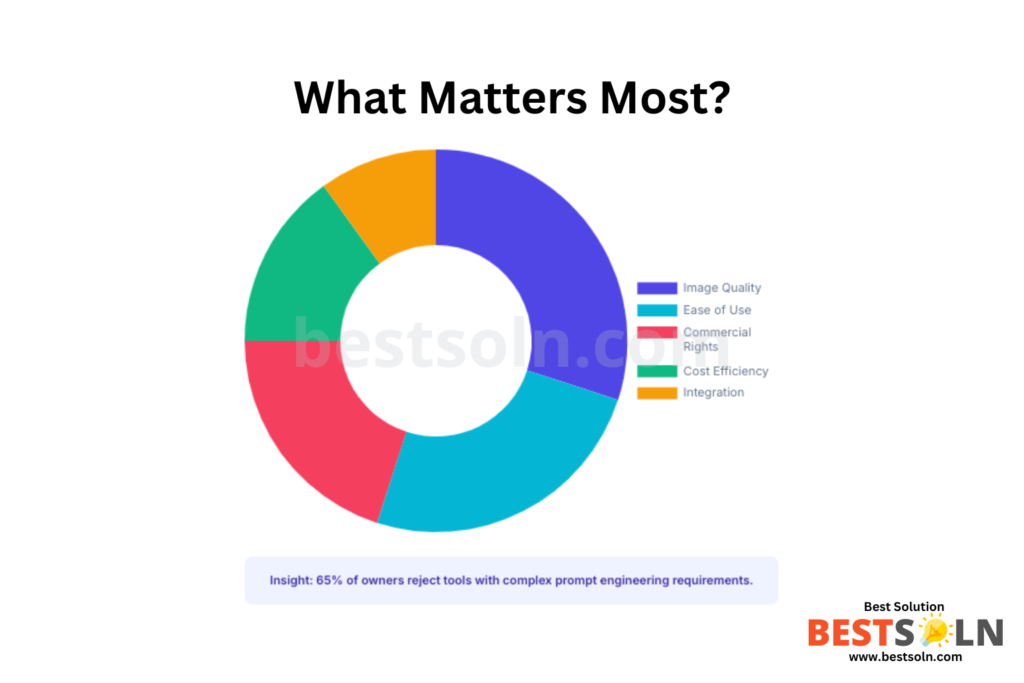
The application of AI visuals goes beyond just creating a pretty picture; it involves a strategic integration into the entire business workflow.
Marketing and Social Media Management
Small businesses use AI generators to maintain a consistent posting schedule. By batch processing image generation, an owner can create a week’s worth of professional social media content in minutes rather than hours. Case studies show that using culturally adapted content backed by AI insights can lead to a 35 percent higher engagement rate.
Product Design and Visualization
AI allows businesses to visualize concepts before they physically exist. This is particularly useful for creating product mockups to test market interest or for presenting service concepts to potential investors. A bakery might use AI to generate images of a new cake design for its website to gauge customer reactions before adding it to the permanent menu.
Case Studies
Maria’s Flower Shop
Maria runs a small boutique flower shop and used to spend three hours every Sunday planning her social media for the week. By adopting AI tools, she began using ChatGPT to write captions and Canva’s AI features to generate visual content. She now completes her entire week’s worth of posts in just thirty minutes, which leaves her more time to serve her customers and arrange flowers.
James’s Barbershop
James, the owner of a small barbershop, integrated an AI chatbot on his website to handle customer questions and bookings. Before this, he often missed calls while he was cutting hair, leading to lost revenue. The AI chat ensured that he stopped losing customers due to missed opportunities and provided a more polished and efficient image for his local business.
The Legal and Ethical Landscape of AI Imagery

Small business owners must navigate a complex legal environment when using AI-generated content, especially regarding copyright and ownership.
The Human Authorship Requirement
Under current United States law, AI-generated works are not eligible for copyright protection if they lack significant human creative input. This means that if a business uses an AI tool to generate a logo without any modifications, they might not be able to prevent a competitor from copying that logo. To gain legal protection, there must be a “human in the loop” who edits or significantly alters the AI output.
Training Data and Infringement Risks
Many AI models are trained on massive datasets scraped from the internet, which can include copyrighted books, music, and images. This creates a legal gray zone. If an AI generator produces an image that is too similar to an existing protected work, the business using that image could be vulnerable to a lawsuit. To mitigate this risk, it is recommended to use reputable platforms like Adobe Firefly that are trained on licensed content.
Practical Tips for Legal Compliance
- Human Oversight: Never publish AI-generated content without human review and creative modification.
- Audit Your Tools: Understand what data your chosen AI platform was trained on.
- Reverse Image Search: Perform checks on generated graphics to ensure they are not too similar to existing protected works.
- Consult Professionals: For core brand elements like logos, consider a professional consultation to ensure trademark safety.
Workflow Integration and Return on Investment
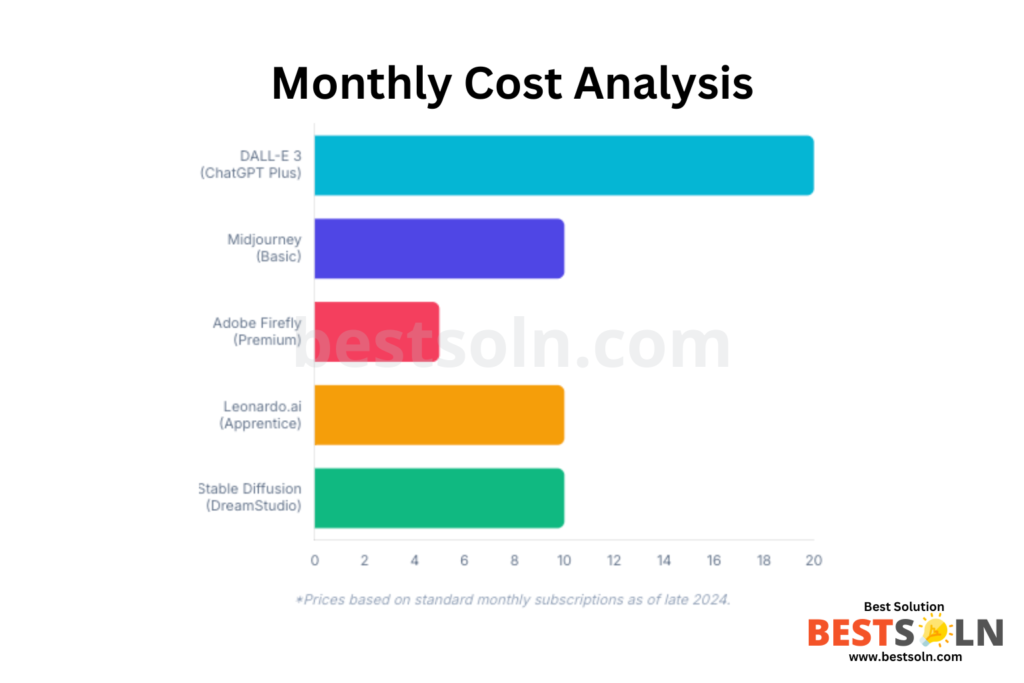
Implementing AI tools can reduce image creation time by 70 to 90 percent compared to traditional design methods. This translates to significant cost savings for small enterprises. By automating repetitive tasks, owners can focus on high-touch interactions that require empathy and personal connection.
Calculating ROI
To evaluate the success of an AI investment, businesses should calculate the incremental profit generated rather than just top-line revenue. For example, if an AI chatbot and email tool cost $120 and result in an $800 profit increase, the return on investment is a substantial 567 percent.
The Future of Proactive Customer Experience
AI agents are the future of proactive customer outreach. These tools can watch for signals such as an abandoned shopping cart or a customer’s birthday and automatically execute a personalized email or SMS. This level of automation allows a small retailer to deliver a big brand experience on a modest budget.
Recommended Readings
The following books provide essential insights for leaders and business owners navigating the AI landscape in 2025 and 2026.
- “Building a StoryBrand” by Donald Miller: This book is highly recommended for its practical approach to clarifying brand messaging. It helps business owners break through the noise by using the power of narrative.
- “The AI Advantage: How to Put the Artificial Intelligence Revolution to Work” by Thomas H. Davenport: Davenport focuses on augmentation rather than replacement, providing frameworks for selecting the best AI use cases for any business.
- “Audacious: How Humans Win in an AI Marketing World” by Mark Schaefer: Schaefer explores how brands can break through an automated world by being “boldly human” and using emotional intelligence to build brand equity.
- “Co-Intelligence: Living and Working with AI” by Ethan Mollick: Released in 2024, this serves as a guide for experts aiming to understand the intricacies of teamwork between humans and AI in creative fields.
- “Identity Designed: The Definitive Guide to Visual Branding” by David Airey: This is an essential resource for business owners who want to understand how good design is fundamental to good business.
- “How to Launch a Brand” by Fabien Geyrhalter: A pragmatic guide that covers the fundamentals of brand platforms, naming, and visual identity for new ventures.
- “Book of Branding: A Guide to Creating Brand Identity for Startups” by Radim Malinic: Specifically written for the online era, this workbook helps entrepreneurs plan and apply their brand across digital touchpoints.
- “The Artist in the Machine: The World of AI-Powered Creativity” by Arthur I. Miller: This book explores how AI is reshaping our conception of creativity and the philosophical implications of machine learning in the arts.
- “AI For Marketing And Product Innovation” by A. K. Pradeep: This work details how to use powerful new AI tools for predicting trends and closing sales.
- “The Coming Wave” by Mustafa Suleyman: A look at the profound impact of emerging technologies like AI on society and global power dynamics in the twenty-first century.
FAQs
Q1: What is the best free Midjourney alternative for beginners?
A: Microsoft Designer is an excellent free option that leverages DALL-E technology. Canva also offers a robust free tier with limited AI generations that is perfect for those who need to integrate images directly into templates.
Q2: Can I use AI-generated images for commercial purposes?
A: Yes, but the rights vary by platform. Adobe Firefly is specifically designed to be commercially safe because it is trained on licensed data. Always review the terms of service of your chosen tool before using the images for client work or advertising.
Q3: Do I own the copyright to the images I generate with AI?
A: Under current U.S. law, you generally do not own the copyright to a purely AI-generated work because it lacks human authorship. You may only be able to copyright aspects of the work that you personally created or significantly modified.
Q4: How do I get readable text in an AI-generated image?
A: Tools like Ideogram 3.0, Flux, and DALL-E 4 are specifically designed to handle integrated text much better than older models. These are your best options for logos and promotional posters.
Q5: Is there a risk of being sued for using AI images?
A: There is a potential risk if the AI model was trained on copyrighted data and the output is too similar to an existing work. Using reputable platforms and performing reverse image searches can help mitigate this risk.
Q6: Which AI tool is best for maintaining brand consistency?
A: Leonardo AI allows you to train custom models based on your brand’s unique style, which is the most effective way to ensure consistency. Canva is also excellent for its ability to save brand kits that include your specific logos and colors.
Q7: Can AI images replace professional photographers?
A: For small businesses, AI can handle many day-to-day marketing and social media needs at a lower cost. However, factual and evidential images that support specific scientific or clinical claims should never be AI-generated. Professional photographers are still vital for high-touch, original branding that requires human empathy and direction.
Conclusion
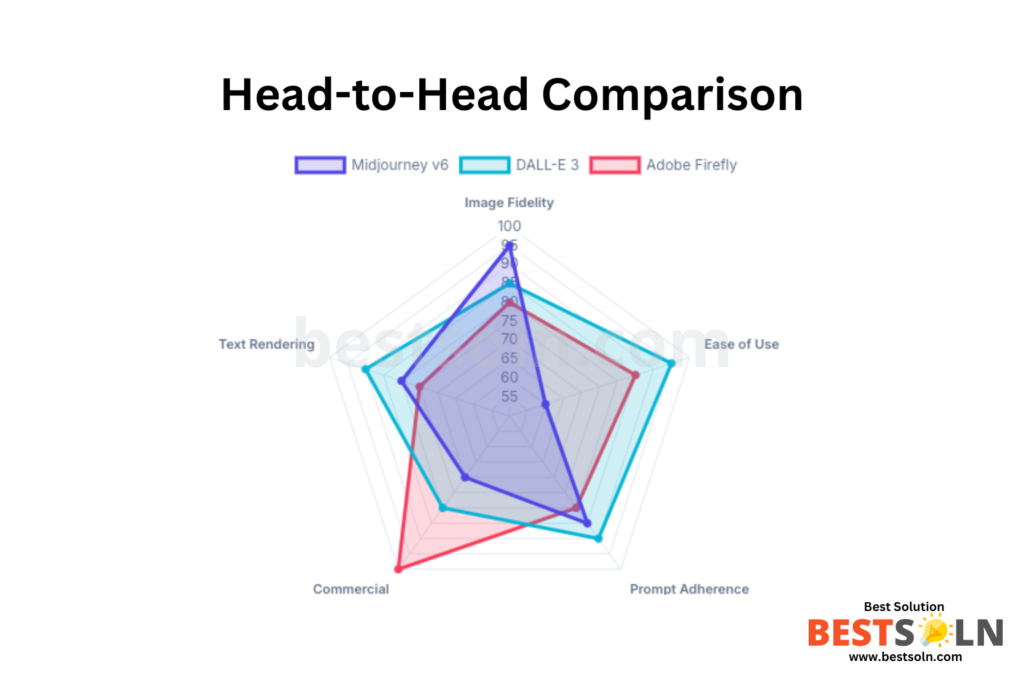
The evolution of AI image generation has fundamentally altered the competitive landscape for small businesses in 2025. While Midjourney remains a powerful tool for artistic exploration, the alternatives explored in this report offer specialized advantages that are often better suited for the day-to-day needs of a professional enterprise. From the commercial safety and professional integration of Adobe Firefly to the accessibility and organizational power of Canva, there is now an AI solution for every business budget and skill level.
Small business owners who successfully integrate these tools into their workflows can expect to see significant improvements in efficiency, engagement, and overall brand polish. However, success in this new era requires more than just technical adoption; it demands a strategic commitment to maintaining a human touch and navigating the legal complexities of intellectual property. By leveraging AI to handle repetitive and time-consuming creative tasks, entrepreneurs can reclaim their time to focus on what matters most: building genuine relationships with their customers and innovating for the future. As we move further into 2026 and beyond, the ability to collaborate effectively with AI will distinguish the leaders in any industry from those left behind.







Leave a Reply