

Introduction: The Man in the Pickup Truck
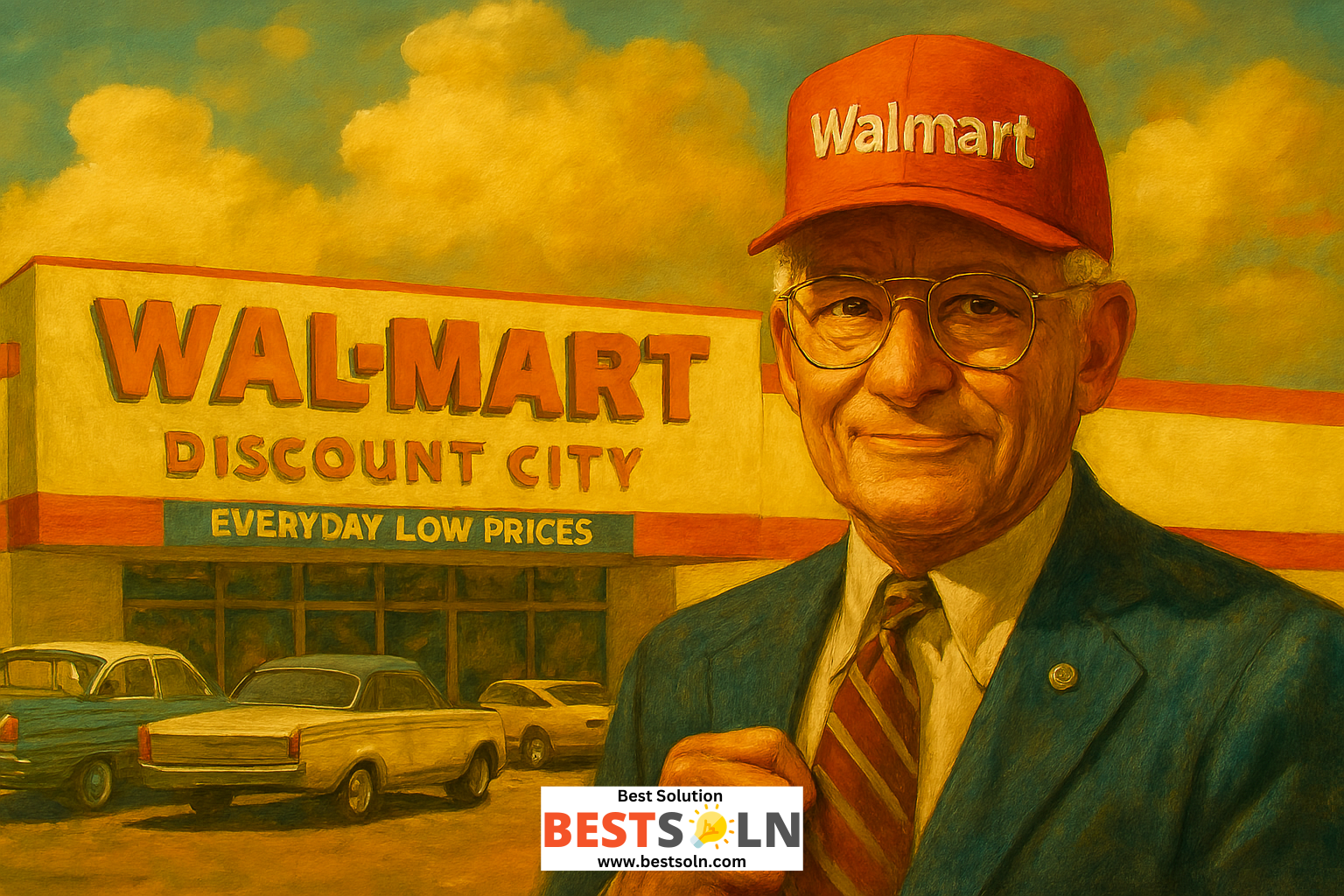
In the early 1980s, as his company began its meteoric rise, the billionaire founder would still drive his old pickup truck to work. He would buy his own coffee at the diner, and if you saw him in one of his stores, he’d likely be chatting with a stock clerk about shelf layouts. This was not an act. This was Sam Walton, a man from Kingfisher, Oklahoma, who never lost the mindset of a small-town merchant, even as he built the largest retail empire the world has ever seen.
Sam Walton’s story is the ultimate proof that a revolutionary business idea doesn’t have to be complex. His genius was a fanatical, almost religious, devotion to one simple principle: sell for less. He believed that by driving costs down and passing the savings to customers, he could not only win their loyalty but also build a business of unimaginable scale. This is the story of how a man with a $20,000 loan and a single variety store in Newport, Arkansas, rewrote the rules of retail and changed how the world shops.
The Early Years: A Natural Born Seller
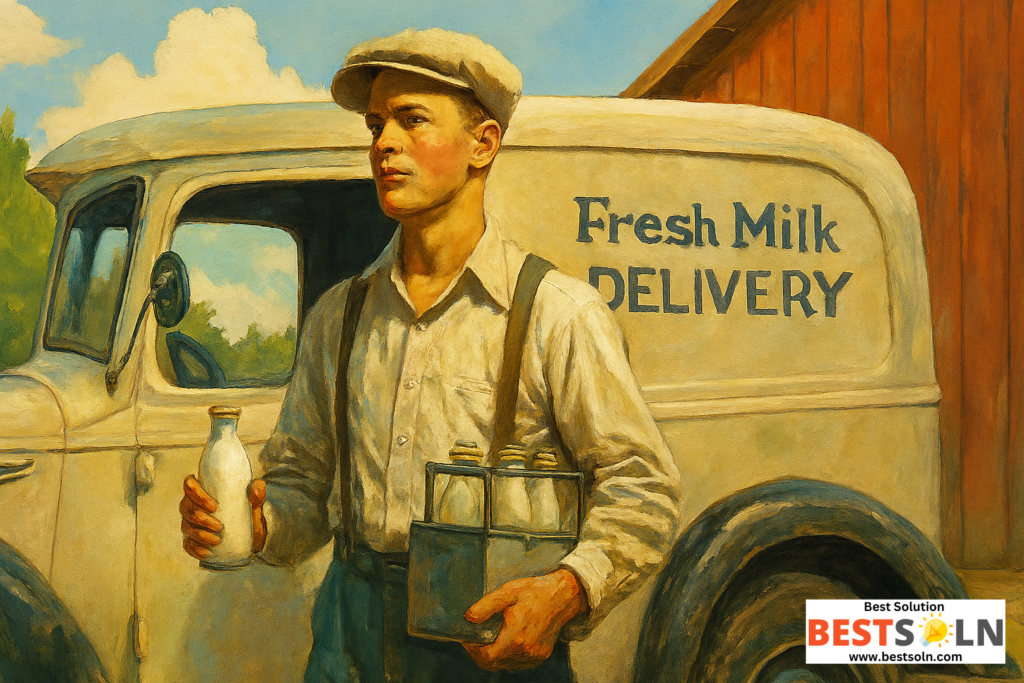
Sam Walton was born in 1918 and grew up during the Great Depression, an experience that ingrained in him the value of a dollar and a strong work ethic. He delivered milk, sold magazine subscriptions, and was a star quarterback in high school. At the University of Missouri, he worked as a waiter to pay his way, an early sign of his relentless drive.
After college, he started his career at J.C. Penney as a management trainee. It was here he began to form his ideas about customer service and store management. In 1945, with a $20,000 loan from his father-in-law and $5,000 of his own savings, he leased a Ben Franklin variety store in Newport, Arkansas. He was a natural. He pioneered concepts like self-service and buying in bulk directly from manufacturers to cut costs. His store became the most successful Ben Franklin franchise in the region, a success that led his landlord to refuse to renew his lease, wanting the business for his own son.
The Big Idea: The Discount Revolution
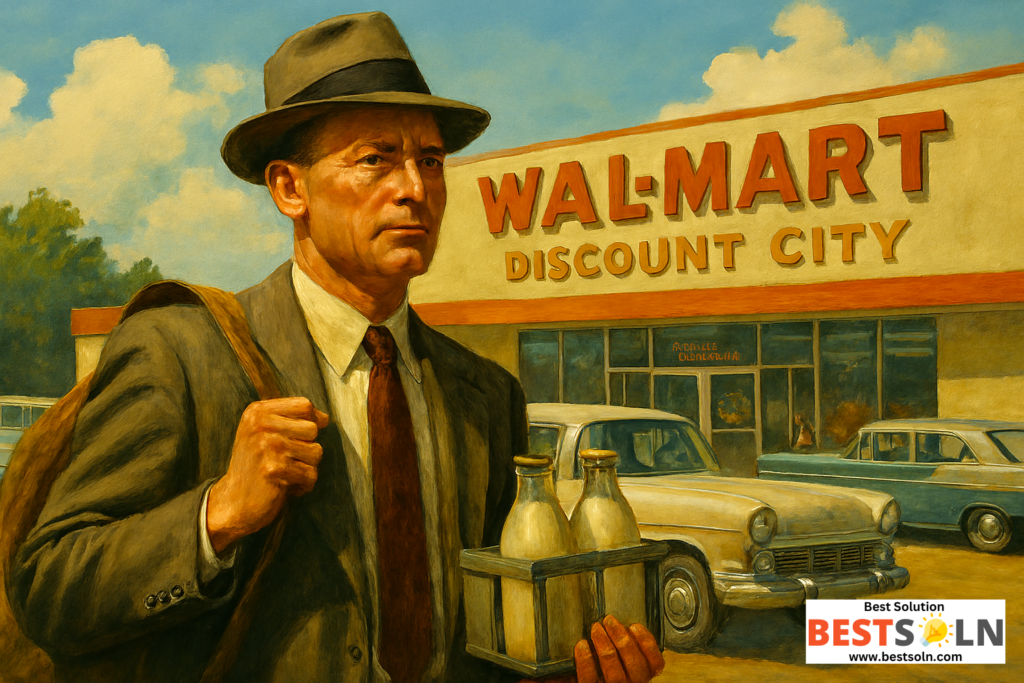
Forced to start over in the smaller town of Bentonville, Arkansas, Walton saw a new trend emerging: discounting. He tried to convince the Ben Franklin executives to back a new chain of discount stores, but they rejected the idea as too risky.
At the age of 44, with his back against the wall, Sam Walton bet everything on his own vision. On July 2, 1962, he opened the first Walmart Discount City in Rogers, Arkansas. That same year, Kmart and Target also opened their first stores. The race was on.
While his competitors focused on large cities, Walton had a different strategy. He would blanket small towns in rural America that the big chains were ignoring. “If we offered good prices and a wide selection,” he reasoned, “people in towns of 5,000 or less would shop at home.” He was right.
Building the Walmart Machine: The Culture of Control
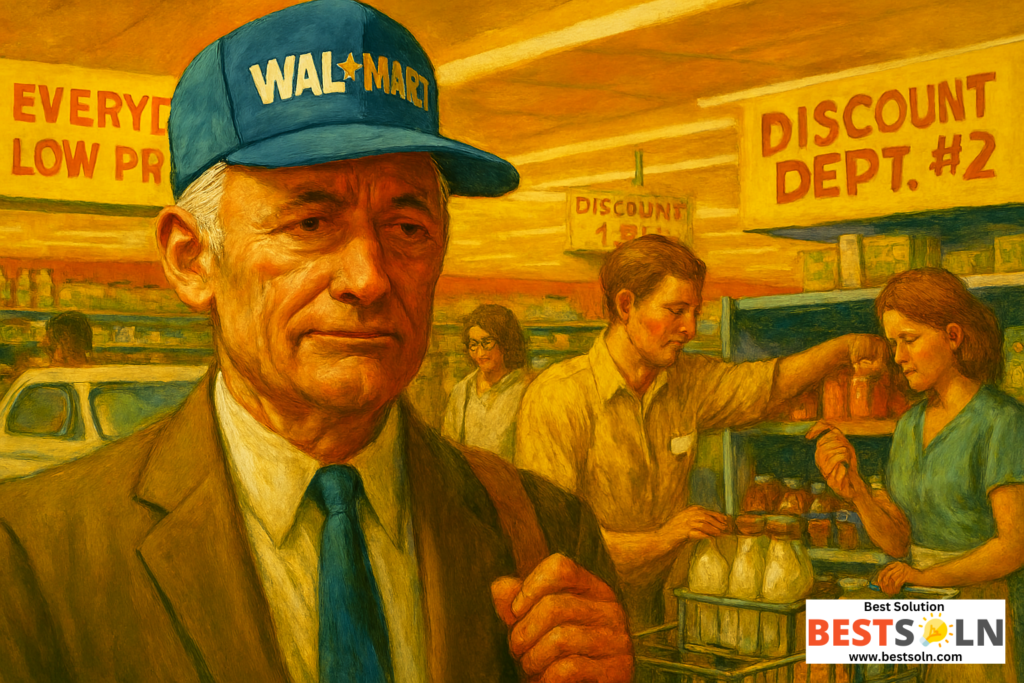
Walmart’s explosive growth was not an accident. It was engineered through a series of operational innovations that became the gold standard in retail logistics.
- The Hub and Spoke System: Walton built a network of distribution centers surrounded by a cluster of stores. This allowed for incredibly efficient inventory management and trucking, slashing shipping costs and ensuring shelves were always stocked.
- Technology Investment: He was an early and aggressive adopter of technology, using computers to track inventory and sales data. This gave him a real-time understanding of what was selling and what wasn’t, allowing for hyper-efficient ordering.
- The “Buy American” Push: In the 1980s, he launched a well-publicized campaign to source more products from American manufacturers, boosting the company’s public image and often lowering costs by reducing the supply chain.
- The Greeter: The elderly person at the door welcoming customers was a stroke of genius. It reduced shoplifting, provided customer assistance, and created a small-town, friendly atmosphere that was central to the brand.
His management style was famously frugal. He shared hotel rooms with colleagues on business trips, drove an old truck, and insisted executives cover their own lunch bills. This culture of controlling overhead became embedded in the company’s DNA, enabling those “Everyday Low Prices.”
The Dark Side of Low Prices: Criticism and Controversy
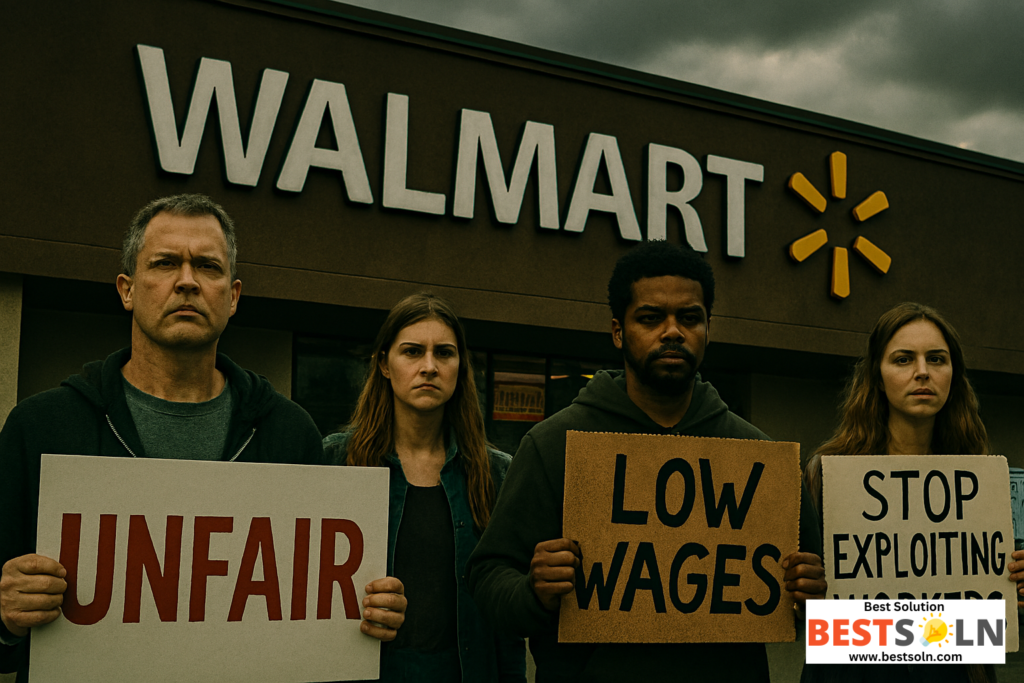
Walmart’s success inevitably drew criticism. As the company grew, so did concerns about its impact. Critics argued that its low wages and anti-union stance hurt workers. Small business advocates claimed that when a Walmart opened, it often wiped out the main street shops of a small town. The company also faced lawsuits over labor practices and gender discrimination.
Sam Walton addressed these criticisms head-on in his later years, often defending his model as one that created jobs and saved American families billions of dollars. The debate over Walmart’s impact on communities and the economy remains a central part of its complex legacy.
The Legacy: America’s Richest Man
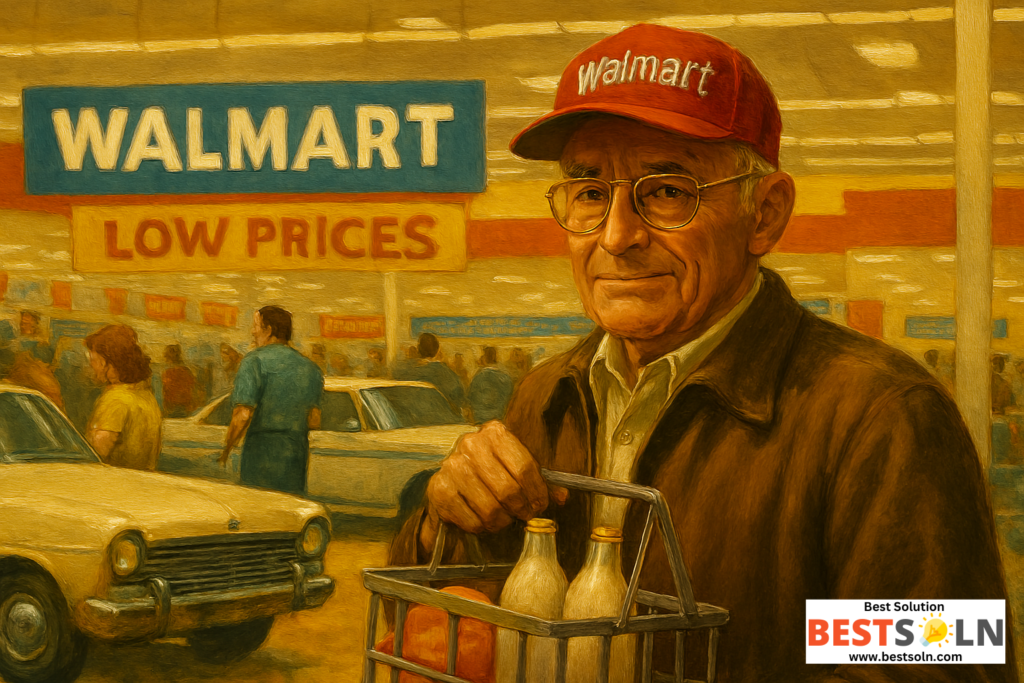
By 1985, Walmart’s success made Sam Walton the richest man in America, a title he reportedly disliked. He remained, until his death from blood cancer in 1992, deeply involved in the company. His family continues to be a major force and shareholder, with Walmart consistently ranking at the top of the Fortune 500.
More than the stores, his legacy is his philosophy, codified in his “10 Rules for Building a Business,” which includes “Commit to your business,” “Share your profits with your associates,” and perhaps most importantly, “Control your expenses.”
Recommended Reading
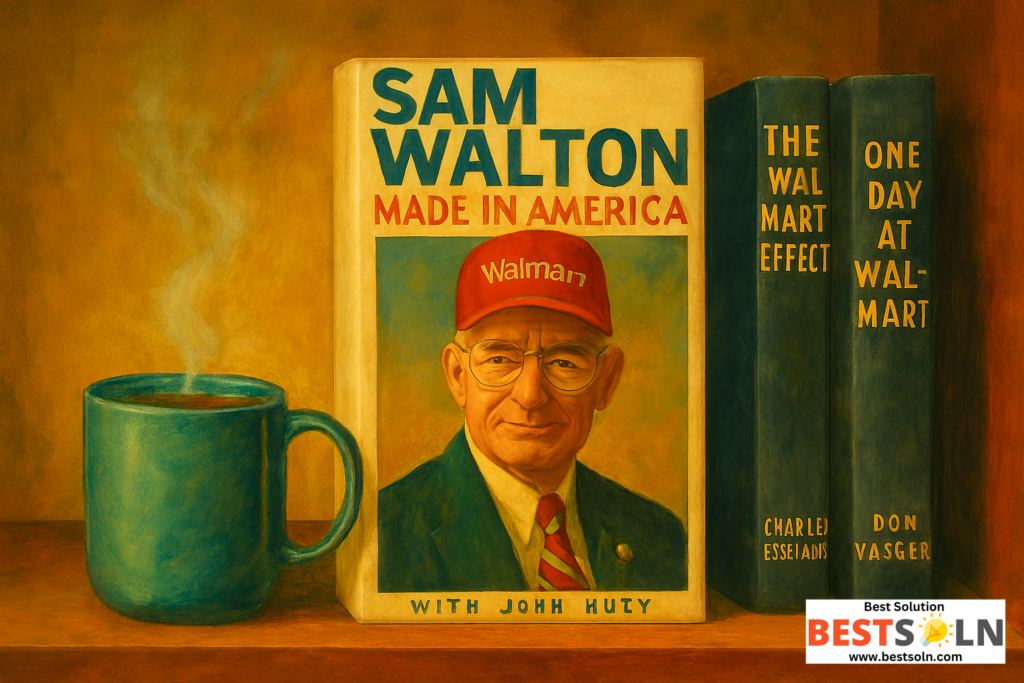
To understand the mind of this retail pioneer, these books are essential:
- “Sam Walton: Made in America” by Sam Walton with John Huey: This is his autobiography and the definitive primary source, filled with his own stories and lessons in his straightforward voice.
- “The Walmart Effect” by Charles Fishman: This book provides a deep analysis of Walmart’s immense impact on the economy, manufacturing, and communities, offering a balanced view of its legacy.
Frequently Asked Questions (FAQ)
Q1. How did Sam Walton get started in retail?
A: He started with a single Ben Franklin variety store franchise in Newport, Arkansas, in 1945. He lost the lease on that highly successful store, which forced him to move to Bentonville and eventually develop his own discount store concept.
Q2. What was Sam Walton’s net worth?
A: At the time of his death in 1992, his net worth was estimated to be over $25 billion, making him one of the wealthiest people in the world. The Walton family remains one of the richest families globally.
Q3. What is the famous Sam Walton leadership style?
A: He was known for being incredibly hands-on, frugal, and people-oriented. He famously visited his stores unannounced, listened to employees, and fostered a culture of transparency and high expectations. He called his employees “associates” and offered profit-sharing to make them feel like partners.
Q4. What is the number one rule of Sam Walton’s business?
A: While he had 10 rules, the most famous and overarching one was his obsession with the customer: “Rule 1: Commit to your business. Believe in it more than anybody else.”
Conclusion: The Merchant of the American Century
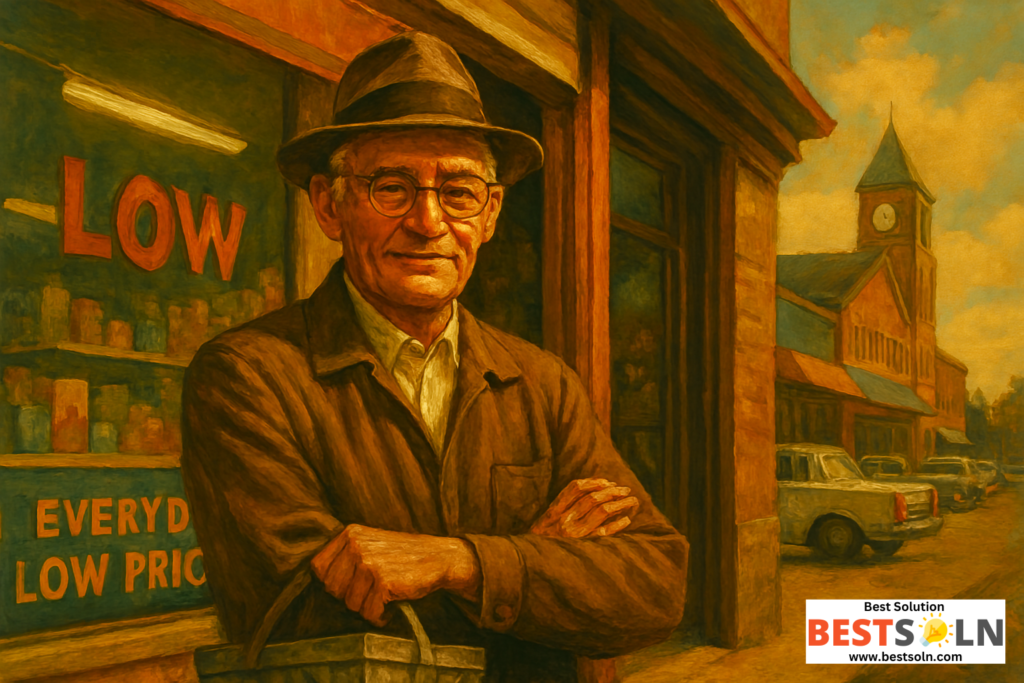
Sam Walton was a paradox. He was a billionaire who lived like a man of modest means. He built a global corporate Goliath but always thought and acted like a David, the small-town shopkeeper fighting for every customer. His story proves that the most powerful business ideas are often rooted in simplicity and executed with relentless consistency.
He did not invent retail, but he perfected a system so efficient it reshaped the global supply chain. The big box store, the focus on logistics, the power of “everyday low prices” these are all concepts he championed and proved on a massive scale. Love it or critique it, the world of retail we know today was, in large part, built by the man from Bentonville. Sam Walton showed that you could build an empire not by selling to the rich, but by empowering the everyday consumer, one discounted item at a time.














Leave a Reply