

Introduction: The College Dropout in the Garage
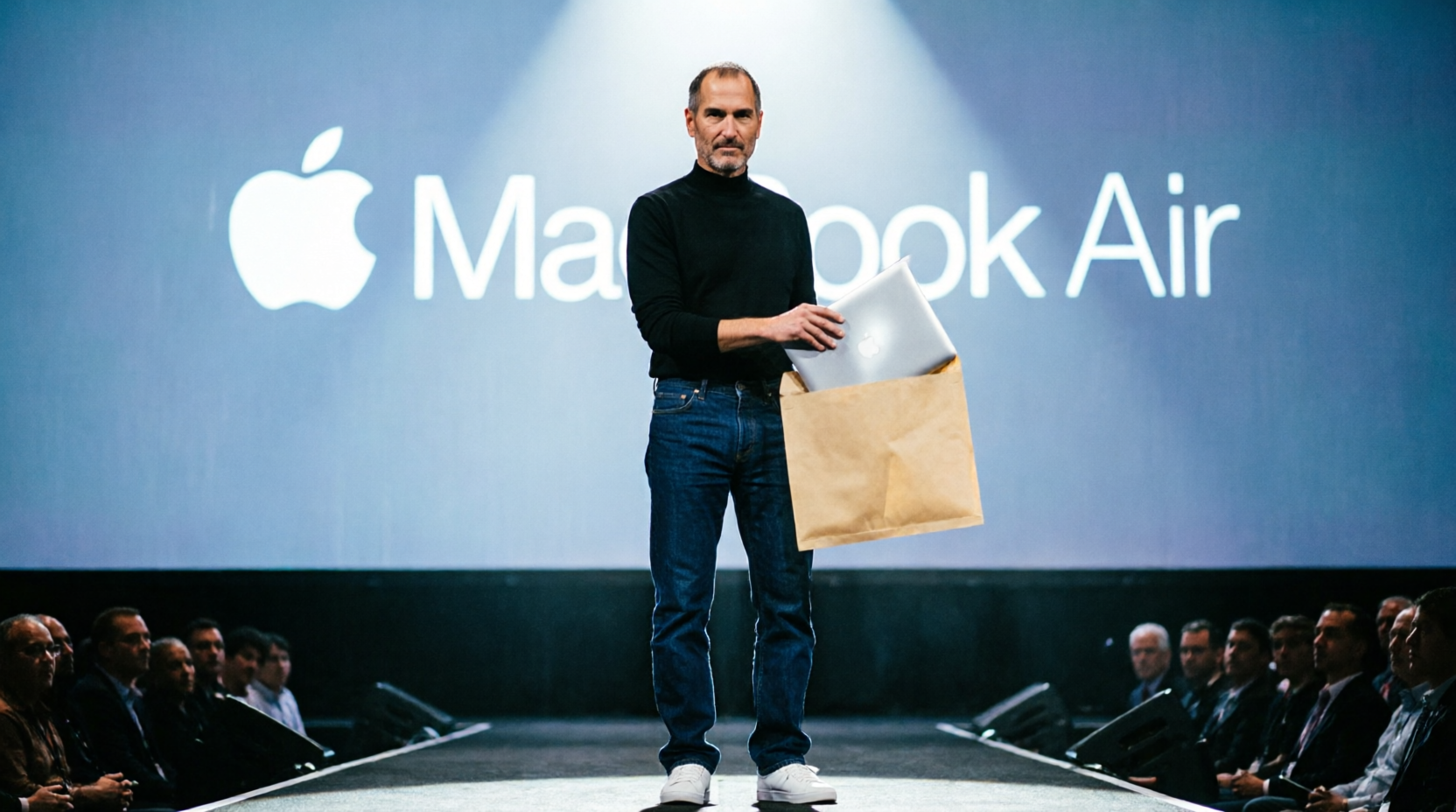
In 1974, a young college dropout was working at Atari, saving money for a pilgrimage to India. He was intense, had a keen eye for design, and believed that spiritual enlightenment could be found in the East. His name was Steve Jobs. Just two years later, that same young man, along with his technical wizard friend Steve Wozniak, would start a company in his parents’ garage that would become, for a time, the most valuable on earth.
Steve Jobs did not invent the personal computer. He did not invent the mouse, the digital music player, or the smartphone. His genius was in synthesis and vision. He had an unparalleled ability to see what people wanted before they knew it themselves, and the ferocious will to make that vision a reality, no matter the cost. He was a tyrant and a genius, a hippie and a billionaire, a failure and a savior. This is the story of the man who believed the intersection of technology and the liberal arts could change the world.
The Early Years: The Calligraphy of Technology
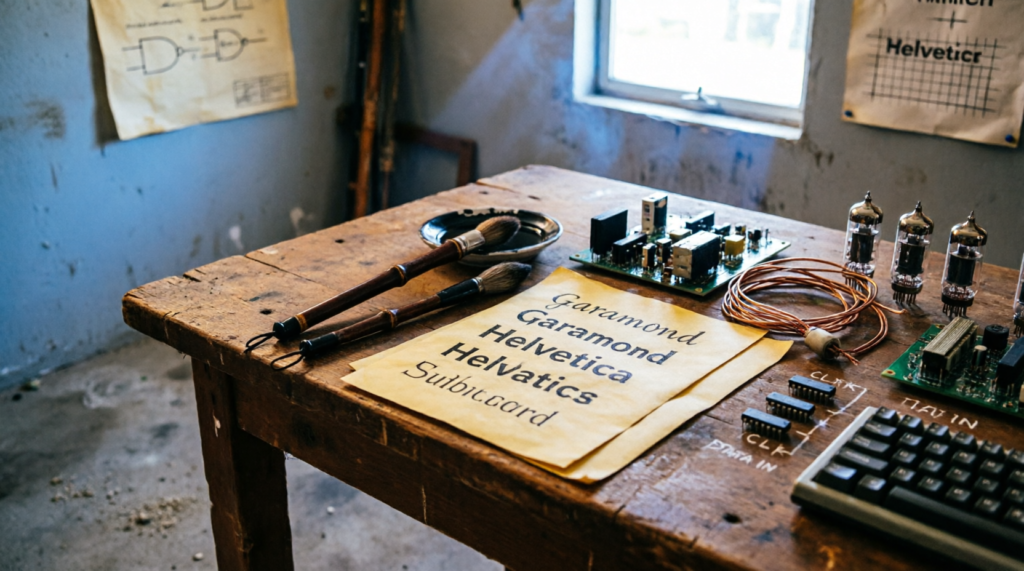
Adopted at birth and raised in the area that would become Silicon Valley, Jobs was a curious and willful child. His interest in electronics was sparked by his father, a machinist, who taught him how to build things. After a single semester at Reed College, he dropped out but continued to audit classes, including one on calligraphy. He later said this course, which taught him about serif and sans serif typefaces and beautiful typography, was fundamental to the elegant fonts that would one day grace the Macintosh.
The partnership with Steve Wozniak was symbiotic. “Woz” was the engineering genius who built the Apple I computer. Jobs was the visionary who saw its commercial potential. In 1976, they founded Apple Computer. The Apple II, a fully assembled machine for everyday people, was a massive success and made the company a fortune. But Jobs’ masterpiece was yet to come.
The Macintosh and the Big Idea: The Computer for the Rest of Us
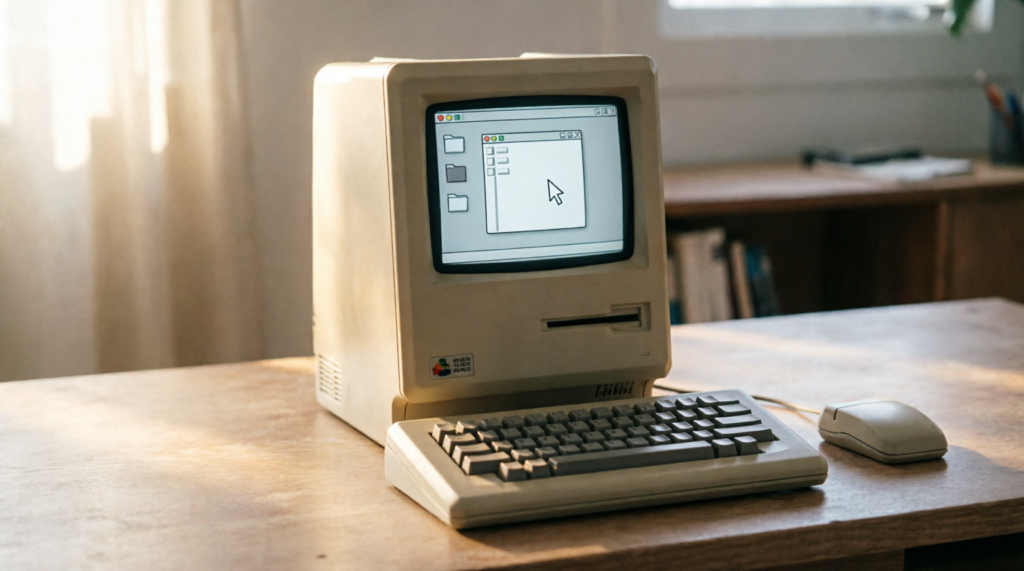
Jobs became obsessed with a project at Xerox’s Palo Alto Research Center (PARC), where he saw a revolutionary technology: a graphical user interface (GUI) that used a mouse to click on icons, not just typed commands. He instantly saw the future.
He took this idea and poured his relentless perfectionism into creating the Macintosh. Launched with a legendary Super Bowl ad in 1984, it was a computer that was friendly, accessible, and beautiful. It was the first computer many people ever loved. But it was expensive and initially had limited software. A power struggle with the CEO he helped recruit, John Sculley, led the board to side against him. In 1985, at age 30, Steve Jobs was fired from Apple.
The Wilderness Years: NeXT and Pixar
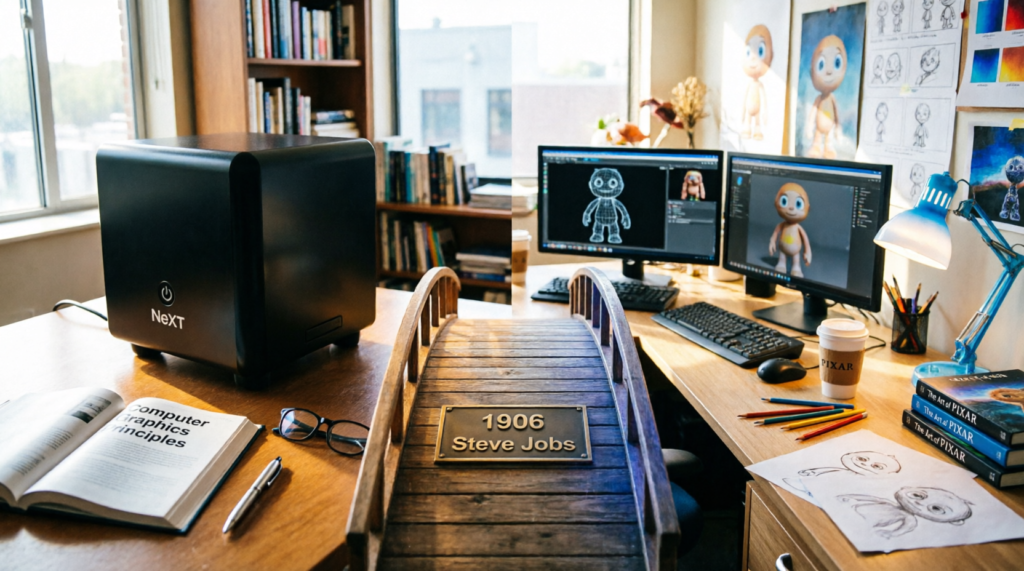
Publicly humiliated, Jobs was adrift. But his time in the wilderness forged a new, more mature leader. He founded a new computer company, NeXT, aiming to build a powerful workstation for education. While the computers were commercial failures, the software was brilliant and would later become the foundation for macOS.
His other acquisition, however, would change entertainment forever. In 1986, he bought The Graphics Group from George Lucas for $10 million, renaming it Pixar. For a decade, he invested his own money to keep the company afloat as it developed revolutionary 3D animation technology. The bet paid off spectacularly in 1995 with “Toy Story,” a critical and box office smash that redefined animation and led to Pixar’s IPO, making Jobs a billionaire.
The Second Act: The Return and the Reinvention of Apple
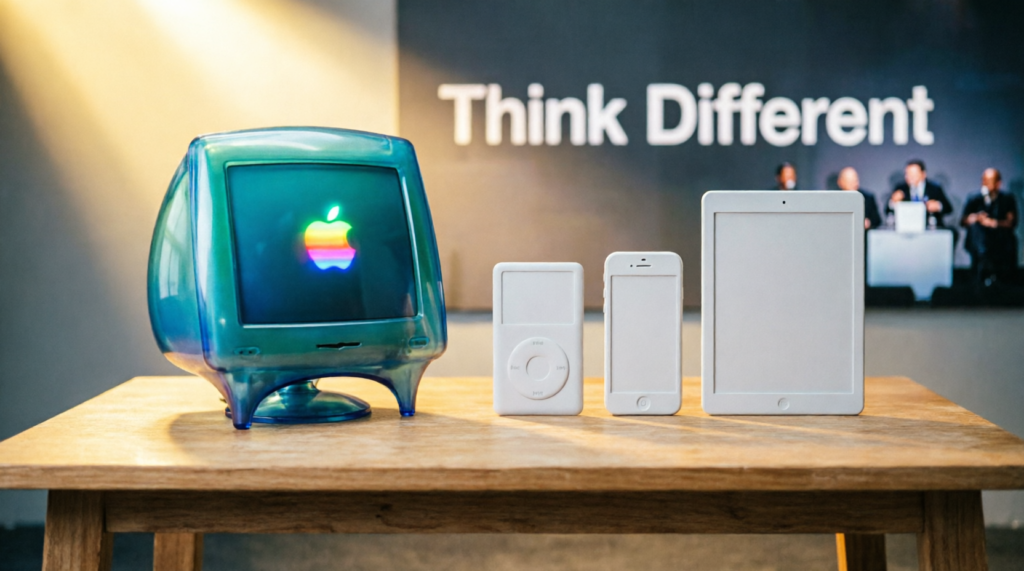
In 1997, Apple was struggling, on the verge of bankruptcy. It had lost its way, churning out dozens of confusing products. In a stunning turn, Apple acquired NeXT, bringing Jobs back to the company he founded.
He returned as interim CEO and immediately began a ruthless simplification. He killed off failing products and refocused the company on a few core devices. The “Think Different” campaign re-established Apple’s soul. Then came the revolutions.
- The iMac (1998): With its colorful, all in one design, it made the computer a desirable object and saved Apple’s core business.
- The iPod (2001) & iTunes: It declared “1,000 songs in your pocket.” It didn’t just sell a music player; it sold an entire, simple ecosystem for digital music.
- The iPhone (2007): Jobs called it a “revolutionary and magical product.” It was an iPod, a phone, and an internet communicator. It effectively invented the modern smartphone and wiped out industries from point and shoot cameras to GPS devices.
- The iPad (2010): It created the tablet market, reimagining how we consume media and interact with the digital world.
The Philosophy: The Tyrant and the Perfectionist
Jobs was famously difficult to work for. He could be brutally honest, demanding, and dismissive. He spoke of putting a “dent in the universe.” His obsession was with the entire user experience, from the unboxing of the product to the feel of the software. He believed in end to end control, a philosophy that extended to Apple’s closed ecosystem of hardware, software, and services. This “walled garden” was often criticized, but it guaranteed a seamless and reliable experience that millions of customers adored.
Recommended Reading
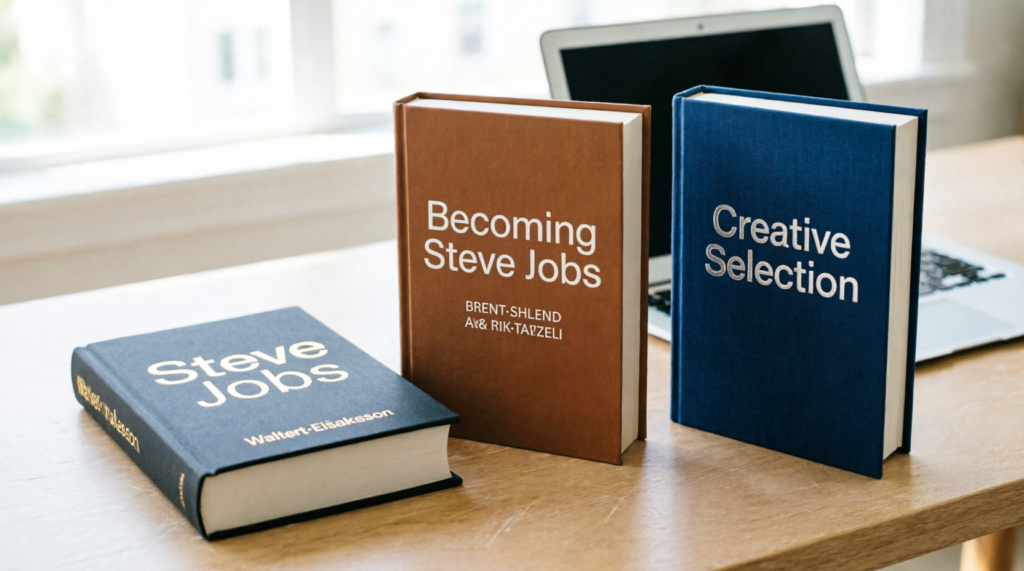
To understand the complex layers of Steve Jobs, these books are highly recommended:
- “Steve Jobs” by Walter Isaacson: The definitive, authorized biography, based on dozens of interviews with Jobs himself, his family, friends, and colleagues. It provides an unvarnished look at his genius and his flaws.
- “Becoming Steve Jobs” by Brent Schlender and Rick Tetzeli: This book offers a different perspective, focusing more on his evolution and growth as a leader, particularly after his return to Apple.
- “Creative Selection” by Ken Kocienda: Written by a former Apple engineer, this book gives an incredible insider’s view of the development process for the iPhone and the culture of excellence Jobs instilled.
Frequently Asked Questions (FAQ)

Q1. Was Steve Jobs an engineer or a programmer?
A: No. Steve Jobs was not a technical engineer in the way Steve Wozniak was. His genius lay in his vision, his understanding of design, his marketing prowess, and his ability to push teams to achieve the impossible.
Q2. What was the cause of Steve Jobs’ death?
A: He died on October 5, 2011, from complications of a pancreatic neuroendocrine tumor, a rare and less aggressive form of pancreatic cancer. His choice to initially pursue alternative therapies before undergoing surgery is a subject of much discussion.
Q3. What is Steve Jobs’ famous quote?
A: He had many. One of the most famous is from his 2005 Stanford commencement speech: “Stay Hungry. Stay Foolish.” Another is, “Your time is limited, so don’t waste it living someone else’s life.”
Q4. How much was Steve Jobs worth when he died?
A: His net worth at the time of his death was estimated at over $10 billion, primarily from his shares in Apple and Disney (from the sale of Pixar).
Conclusion: The Architect of Our Digital Lives
Steve Jobs’ legacy is the world we interact with every day. The smartphone in your hand, the way you stream music and movies, the very expectation that technology should be intuitive and beautiful these are testaments to his vision. He was a mercurial and complicated figure, a man whose drive for perfection created magnificent products but often came at a great personal cost to those around him.
He proved that business is not just about profits; it is about passion and belief. He showed that the most powerful innovations happen at the intersection of technology and the humanities. More than a businessman, Steve Jobs was an artist whose canvas was the future, and he left the world a more connected, more creative, and more demanding place. He taught us to never settle, to think different, and to always, always, stay hungry.












Leave a Reply